Brenda Robinson’s booklet, “Things you didn’t know about St. Paul’s Church, Evenwood” 2017, prepared for the 150th anniversary has been used extensively for this post.
Significant Dates
1863: Rev. C. Palmer was appointed “incumbent of the parish.”
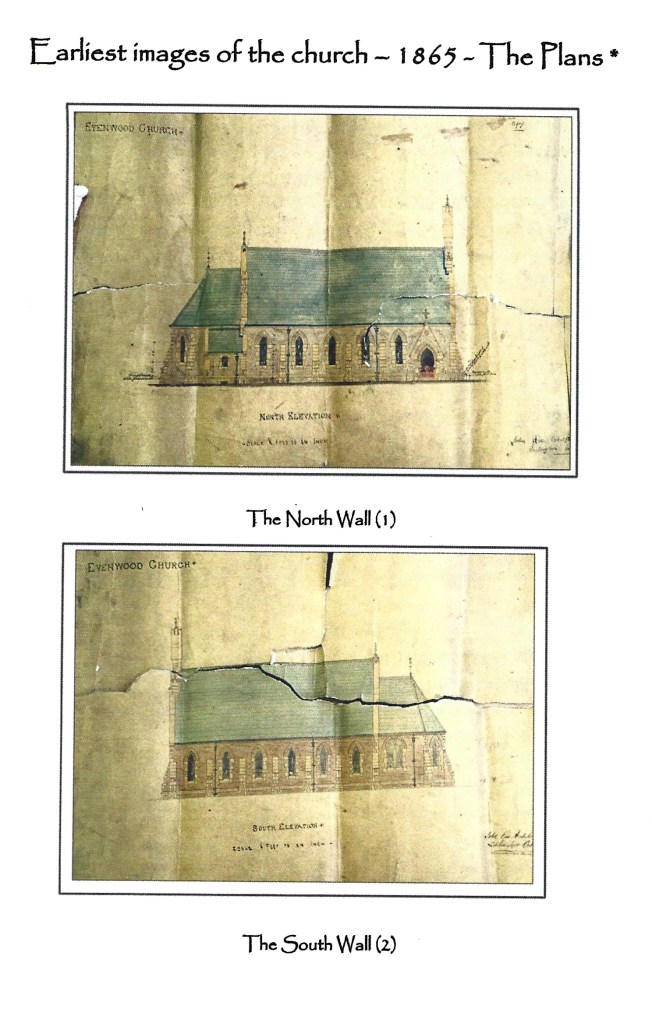
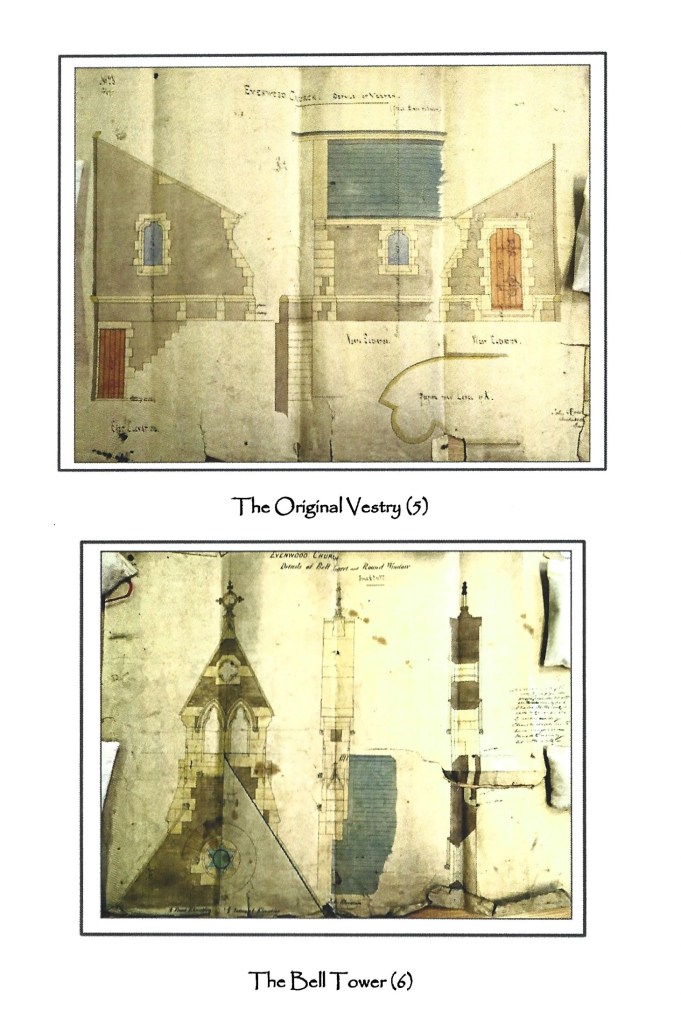
1865: Permission was granted for the church, “on condition that all sittings are free and unappropriated”. Subsequently, plans were prepared by the Darlington architect John Ross.
7 October 1865: A report in the Newcastle Guardian with the headline, “Exciting Scene between a clergyman and his parishioners” related to a dispute between residents and the Ecclesiastical Commissioners and the Rev. C. Palmer. It concerned the proposed church and cemetery.
31 August 1867: Conveyance of land at Evenwood for the site of a church with yard and enclosure.
18 September 1867: The Church was consecrated by the Bishop of Durham (Charles Baring). The church took 2 years to build at a cost of £2,780 (approx. £303,000 in 2017). It could seat 700-800 people.
13 November 1904: The foundation stone for the vestry was laid by Mrs. W. Hustler Hopkins. The service was conducted by the Bishop of Durham, H.C. Glynn Moule.
5 November 1905: The vestry was dedicated by the Rural Dean Rev. N. Goldsmith and Rev. Henry Faulkner, vicar.
29 December 1907: The church was destroyed by fire.
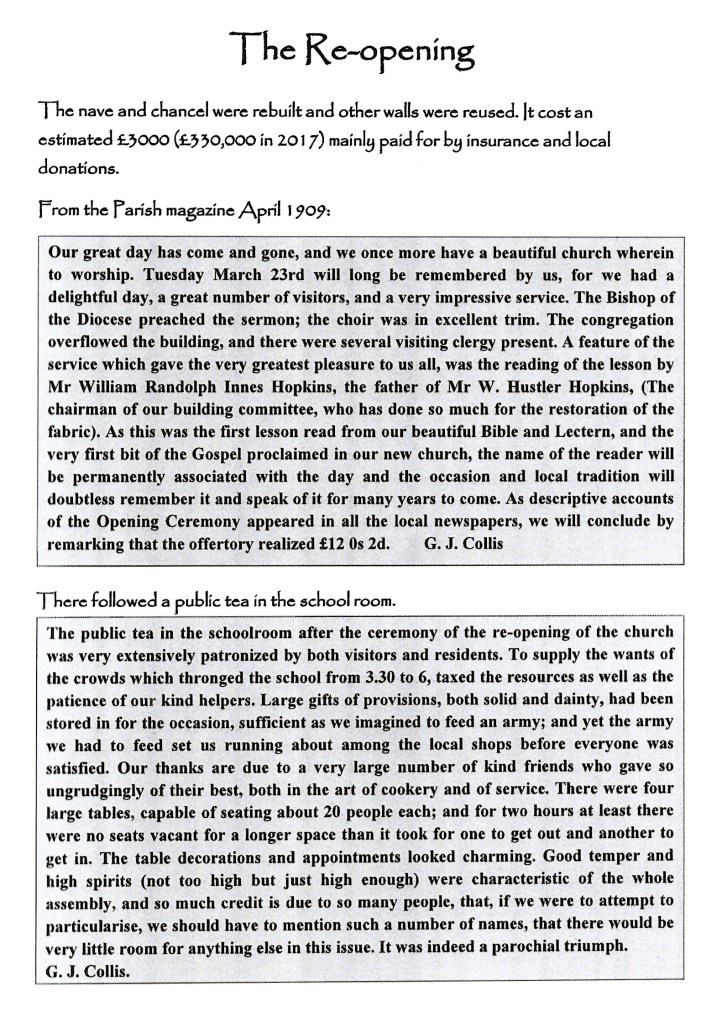
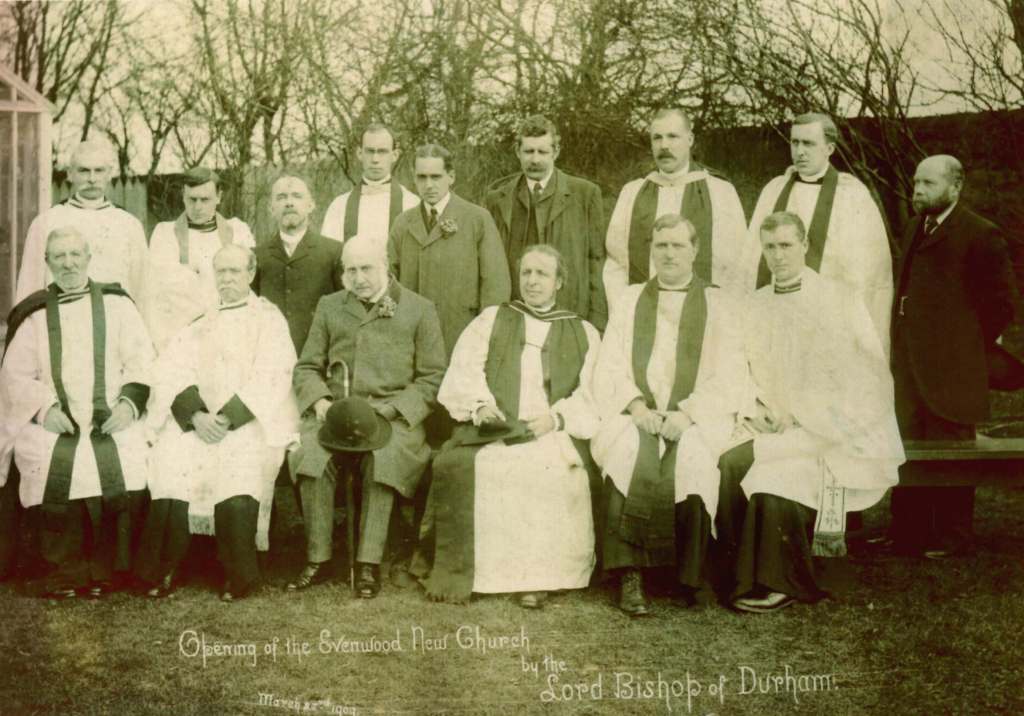
23 March 1909: The rebuilt church was re-opened with a service led by the Bishop of Durham, Handley Moule. The nave and chancel were rebuilt and other walls were reused. It cost an estimated £3,000 (£330,000 in 2017).
October 1909: the organ was installed by Harrisons of Durham. It was bought from St. Peter’s, Peebles, Scotland for £200 (£22,000 in 2017). It is still going strong, having been built by Brindley & Foster of Sheffield in 1882.
25 September 1910: The chancel screen was dedicated along with the 3 stained glass windows.
December 1910: The iron gate and lamp was erected at the entrance to the church enclosure.
12 November 1912: 2 stained glass windows on the south wall were dedicated by the Archdeacon of Auckland, a gift from the church warden, Thomas Pattison in memory of his wife.
January 2012: A timber screen, costing £120,000, was built by carpenter Steven Thompson to create a “narthex.”
List of Vicars
1867: Charles Edward Palmer
1872: John Alexander Dolan
1875: William Scragg
1884: Thomas Bethal McLean
1896: Adolphus Theophilus Gledhill
1903: Henry Jackson Hardcastle Faulkner
1908: George Jennings Collis
1919: Robert Edward Ragg
1924: W. Richardson
1929: A. Simpson
1930: W.M Wykes
1940: W.P. Stones
1944: G.W. Jowett
1945: A. Lazenby
1948: G.C Huggins
1958: Peter Dearne
1962: G.A. Carr
1967: T.D. Dodd
1969: Ernest Stoves
1982: Gordon Harper
1990: D.A. Wright
1994: George Liddell
2005: Kenneth Steventon
2009: Jane Grieves
2015: Claire Gibbs
2017: Brian Whitley
The Architect: John Ross (1836-1895)
Ross was a Darlington based architect and laid out most of the West End of the town and designed, amongst many other buildings, the Nat West Bank on High Row and Carlbury Hall near Piercebridge. Ross also worked on Grey Towers at Nunthorpe, the home of William Randolph Innes Hopkins, chairman of the North Bitchburn Coal Company which owned Randolph Colliery, Evenwood – hence the name.
The Plans

Opposition to the Church: Report from the Newcastle Guardian 7 October 1865


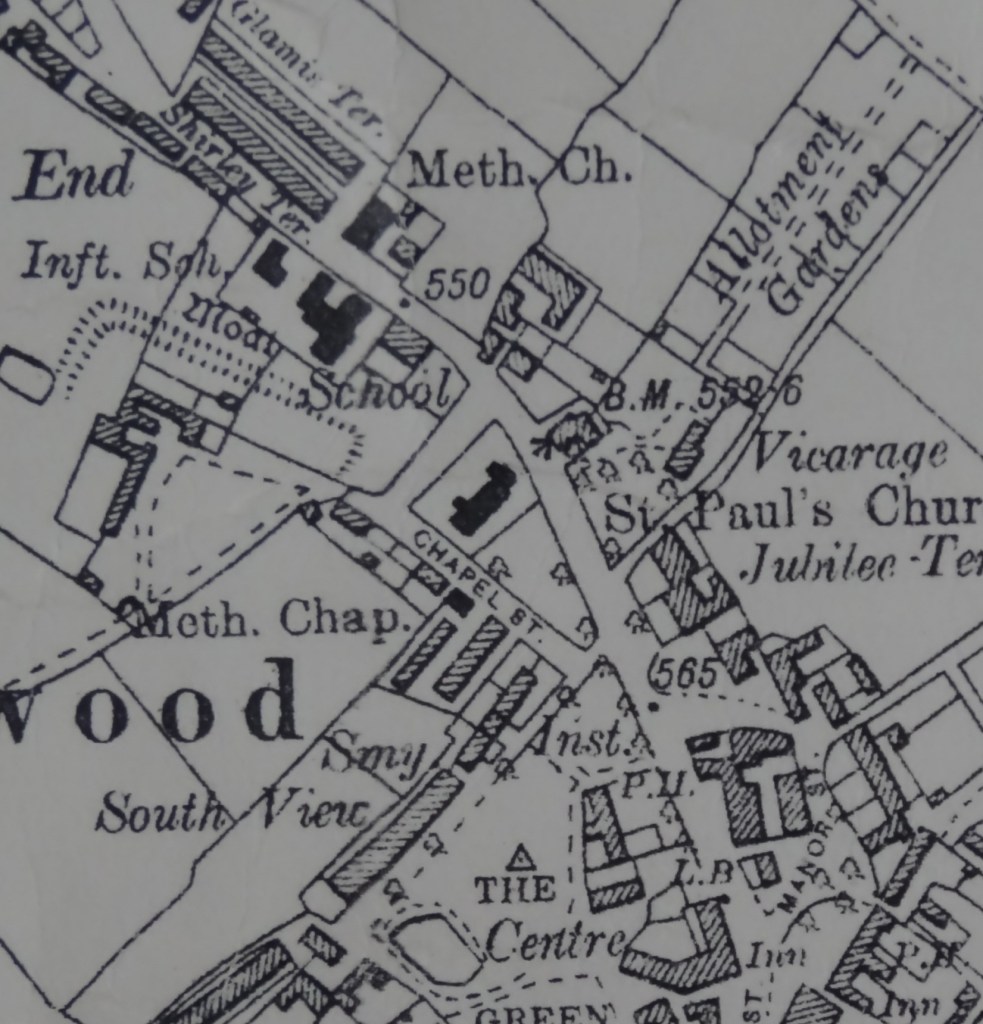
Apparently, a meeting with the Bishop was held with the objectors an an agreement was reached – it was agreed that the church should be built with a small enclosure but another site would be sought for the cemetery.
Below: a map to show the agreed siting of the church and enclosure.
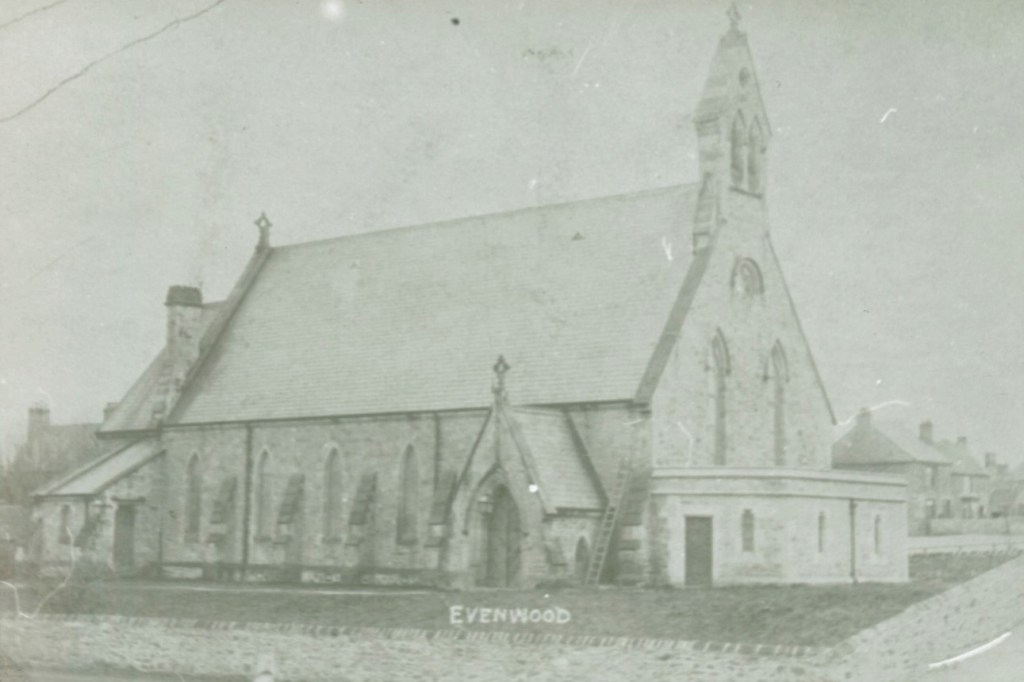
Below are photographs of the original church.
Note that the Waterloo public house is opposite. and the vicarage in the background (left).

Below, this photo shows the “new” vestry to the right hand side.
The following 3 photos show fire damage.

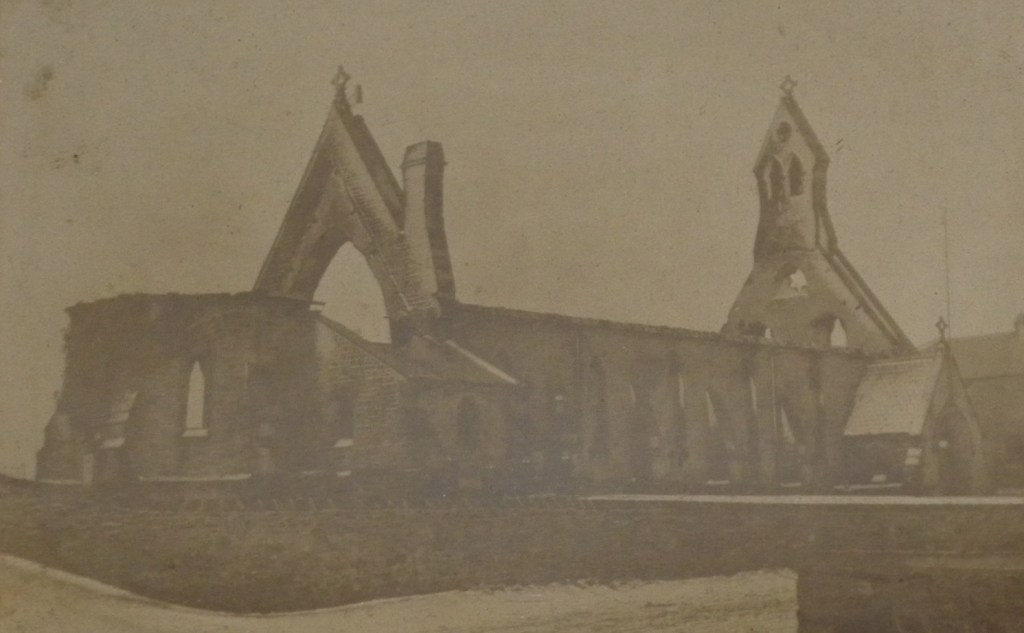
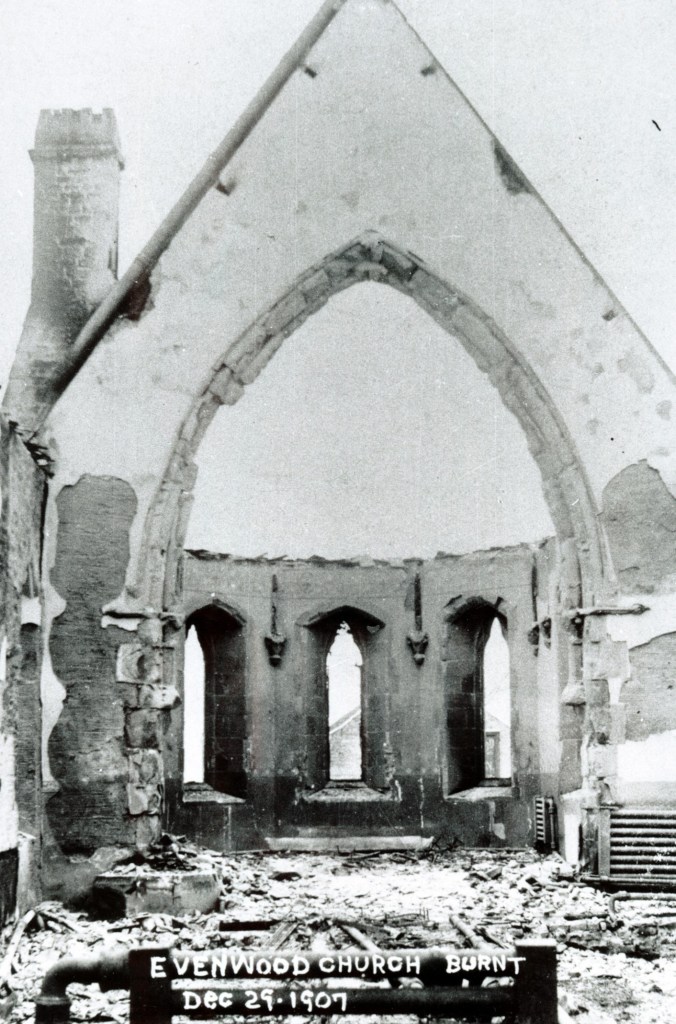
Below is a report relating to the fire:

Below is a report relating to the reopening of the rebuilt church.
Below: The official opening party which includes the Bishop of Durham, Rev. G.J. Collis, W.R.I. Hopkins and H. Hopkins.
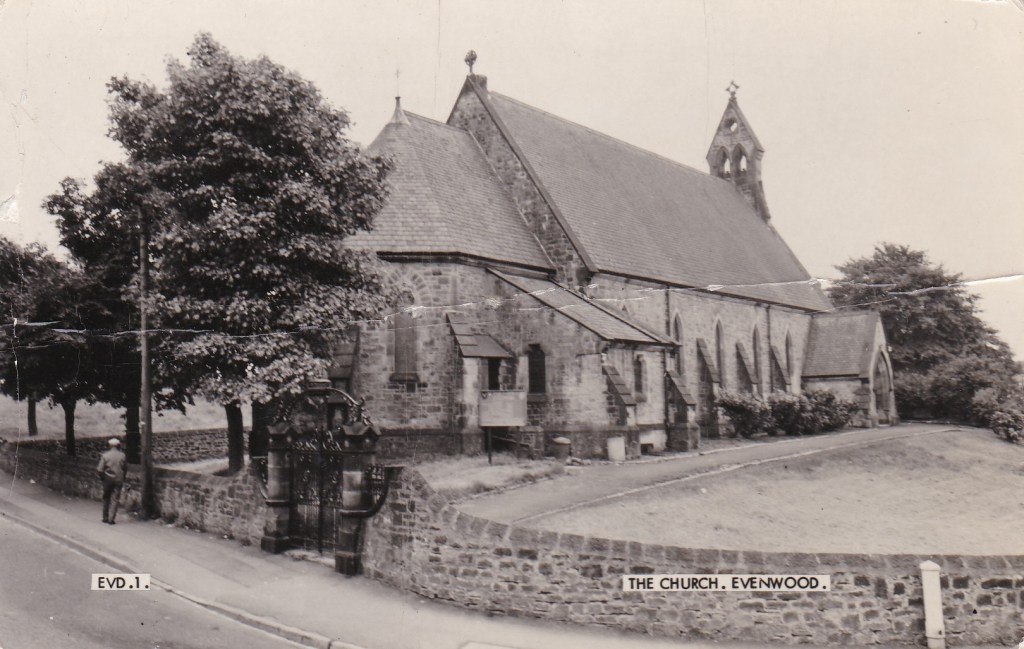
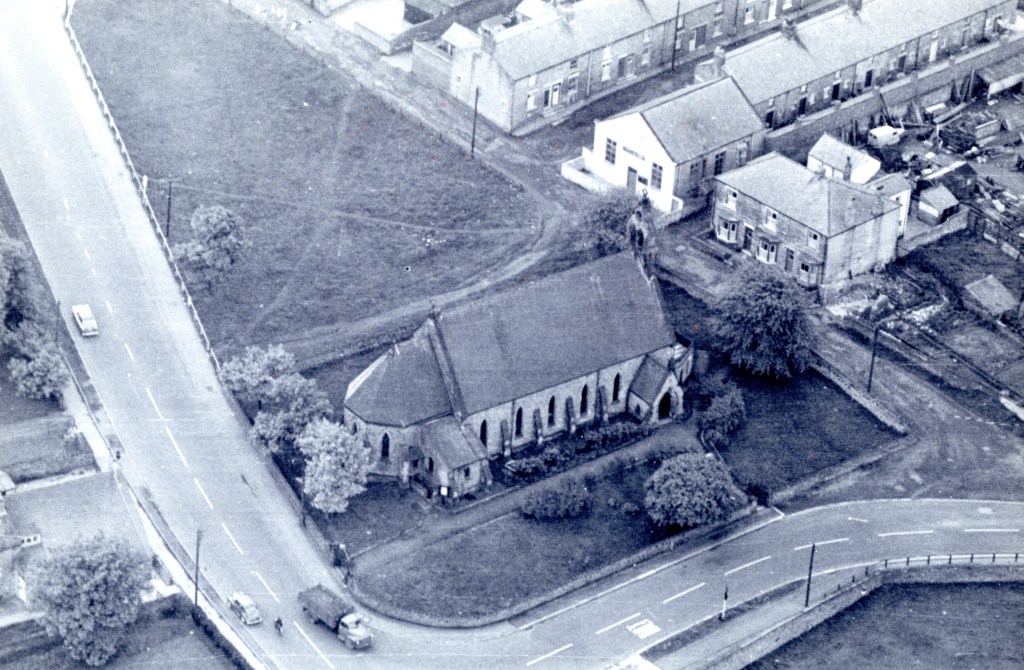
Below are images of the rebuilt church.
ACKNOWLEDGEMENTS
Durham County Record Office refs D/Ad/1/3/84, 85, 87, 88, 98 & 104.
 EVENWOOD RAMSHAW & DISTRICT HISTORY SOCIETY