Coal was extracted by opencast methods since the war years, 1939-45. At this time, there was a national need for coal. Several of the coal seams in south west Durham outcrop quite near to the surface and are quite easily extracted. However, geological faults cross the area which means that some of the seams are fractured and can disappear to a deeper depth. Opencast extraction was regarded as a highly profitable enterprise. Usually, the larger sites, over 1 million tons, were under the direct control of British Coal Opencast Executive and operated by companies such as R.A. Young, R.J. Budge and Coal Contactors Ltd. The smaller sites were operated privately, under license and over the period, firms included W. Stonebank Coal Company and Rackwood Coal Company. From 1995, following the privatisation of the coal industry, virtually all sites were operated by the private sector, R.J. Budge being the largest concern. Note: the names of these companies may not be commercially correct.
Below: c.1982 aerial photo of the British Coal Buckhead Opencast Site. Over one million tons of coal were extracted on land between Evenwood and Cockfield over a 10 year period.

Below: Another photo of Buckhead from over Cockfield looking eastwards
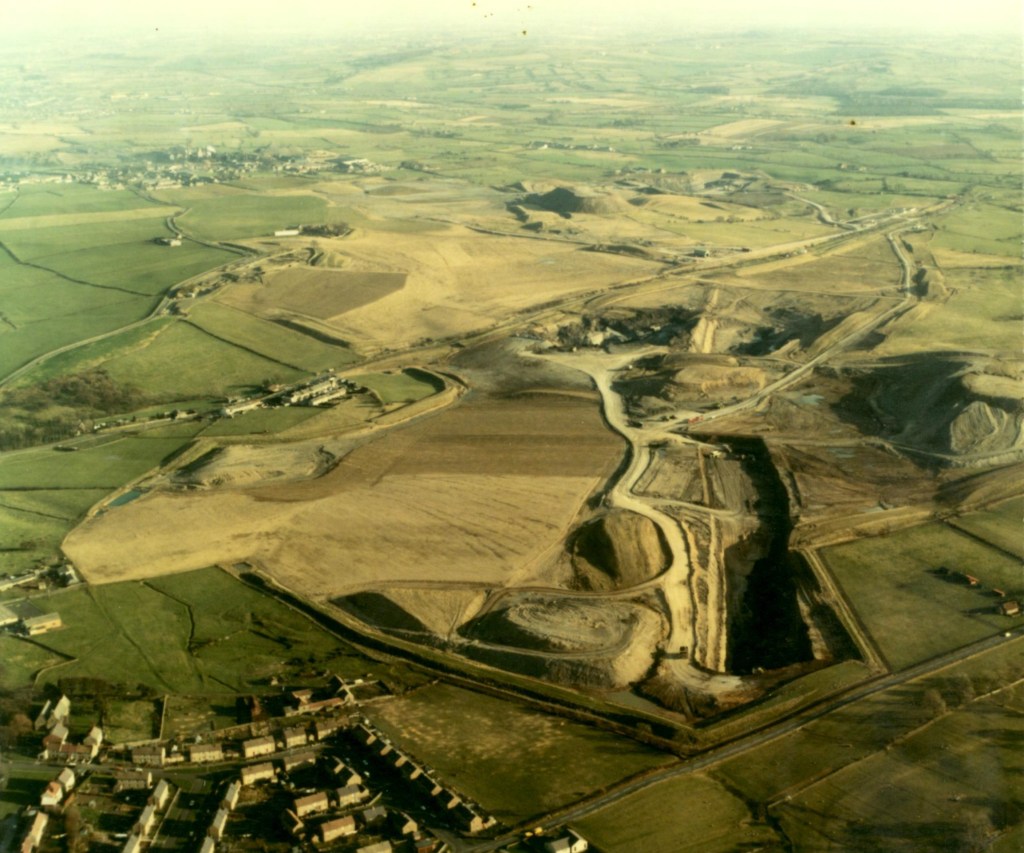
Below: about 1990/91 British Coal Thrushwood Opencast Site covered land between Evenwood and West Auckland

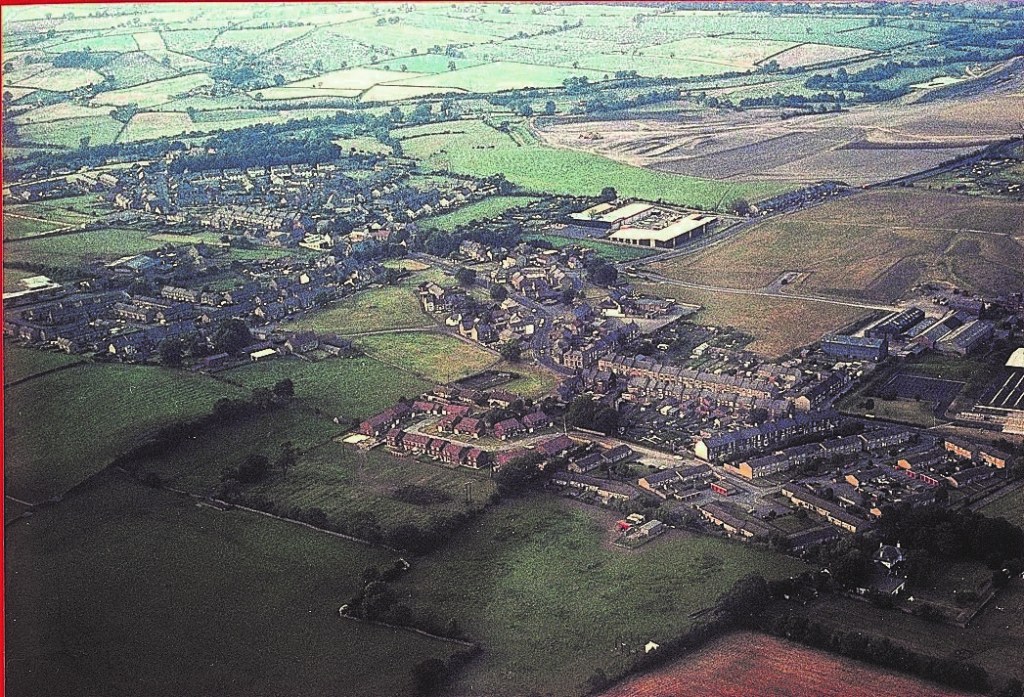
Below: c.1991/2: An aerial view over Evenwood showing restored sites – Thrushwood opencast site, the Randolph coke works site and the Randolph South pit heap is just off the shot.
 EVENWOOD RAMSHAW & DISTRICT HISTORY SOCIETY