1947 (1 January): Nationalisation, the collieries of the United Kingdom were vested in the National Coal Board (NCB). Those of South West Durham came under the control of the NCB, Northern Division, No.4 Area. The headquarters of the NCB for the North East Coalfield, Durham and Northumberland, was at Coal House, Team Valley Trading Estate, Gateshead and the regional HQ was, initially at Howlish Hall, Coundon then custom built offices at Green Lane, Spennymoor. Summerson’s interests at Randolph and Gordon House Collieries together with their Ramshaw Colliery Coal Company were taken into public ownership. Randolph coke works was not nationalised. There were a number of small scale drift mines which continued to operate under private means. These were called, “Licensed Mines” and there were several such workings in South West Durham.
In 1947, in the North East, there were 188 collieries employing 148,676 men with a saleable output of 34,817,000 tons. In County Durham, there were 127 collieries employing 108,000 men with an output of 24 million tons of coal. In South West Durham, the coal seams are thinner than those in the east of the coalfield and much of the easily extracted coal had been worked. Ingress of water and associated drainage was a huge problem and a major expense. New technology for the extraction of coal proved difficult if not impossible in many collieries due to geological conditions, that is thin seams and faulting. There was a gradual run down of the coal industry due to uneconomic working conditions or exhausted reserves. As the pits in the west closed, some miners were transferred to others such as Whitworth Park near Spennymoor, Brussleton Colliery or Fishburn Colliery. Many miners left County Durham to resettle in other coalfields such as Yorkshire, Nottinghamshire and Staffordshire.
Initially, the National Coal Board attempted to develop coal reserves at new workings:
- 1951: The Moor Hill Drift, east of Woodland,
- 1953: The Hutton Drift at Randolph,
- 1954: The Esperley Lane Drift
- 1958: The Haggs Lane Drift at Brussleton
- 1956: A new coal preparation plant, West Auckland Washery was developed next to West Auckland Colliery and the Butterknowle Branch line.
- 1956 March: Opening of Brusselton Colliery pithead baths
- 1959 August: Opening of West Auckland drift pithead baths
Closures were inevitable and the mining industry was all but finished by the mid 1960’s in South West Durham. Closures took place at regular intervals:
- 1951: Arngyll and Cowley Drifts, south of Woodland.
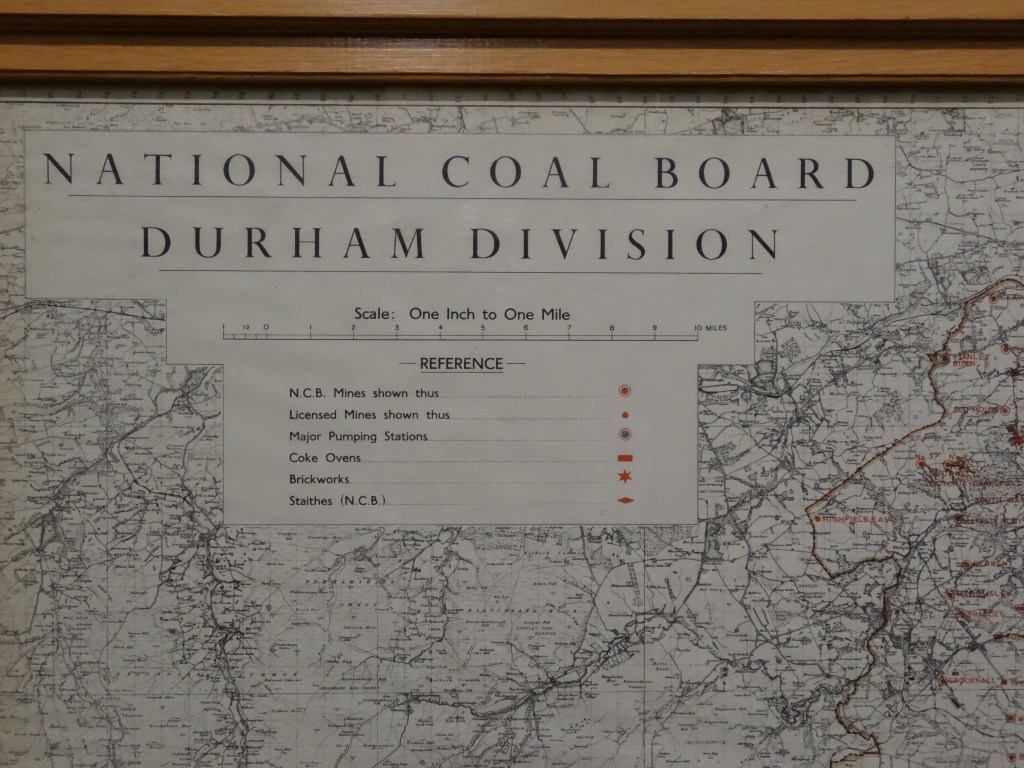
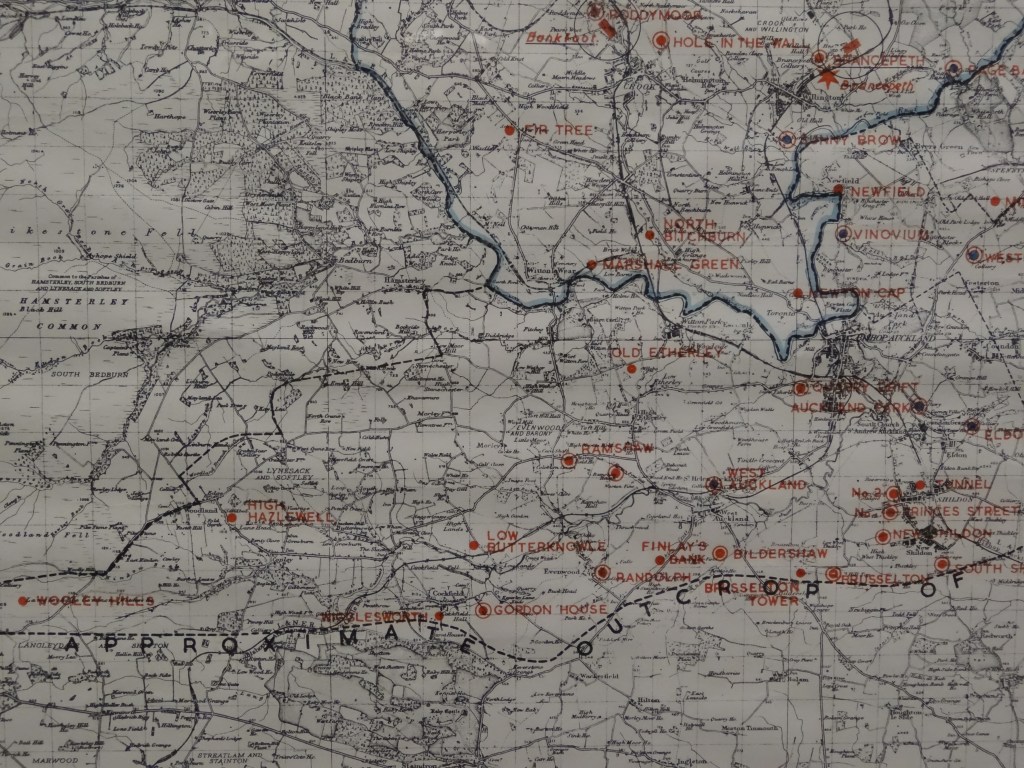
Below: A map to show the NCB Mines and Licensed Mines in south west Durham
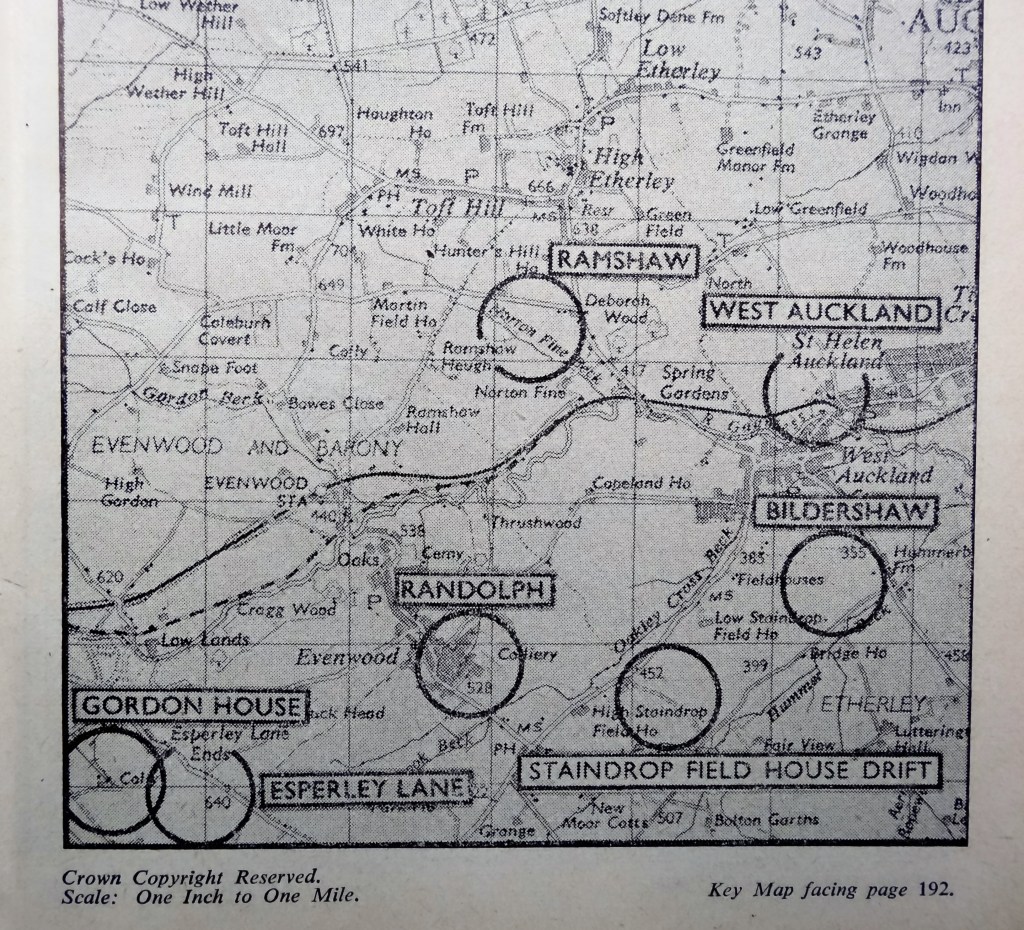
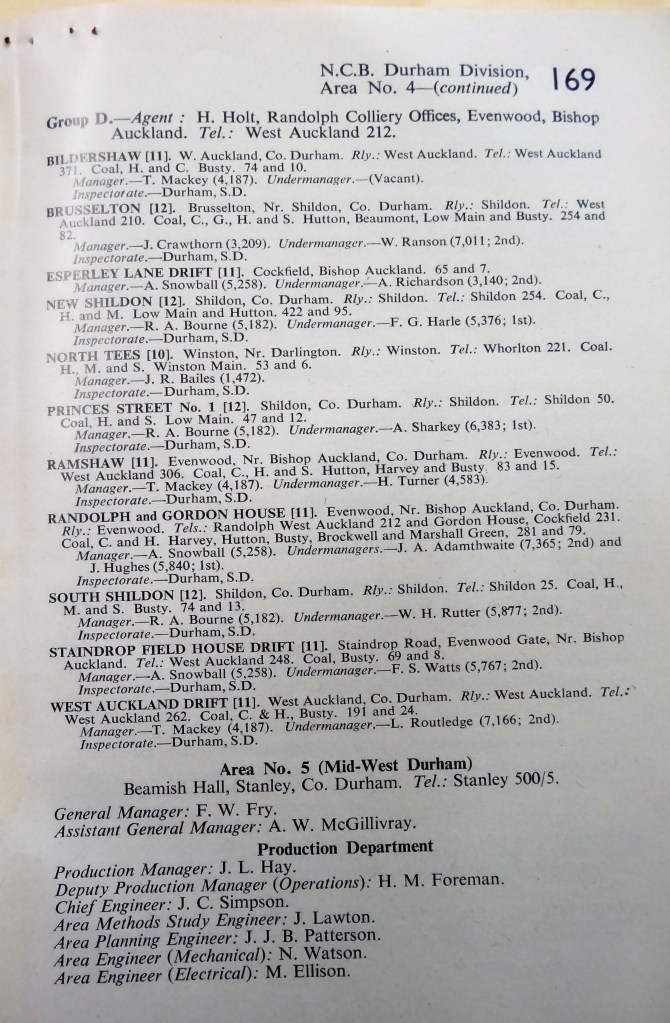
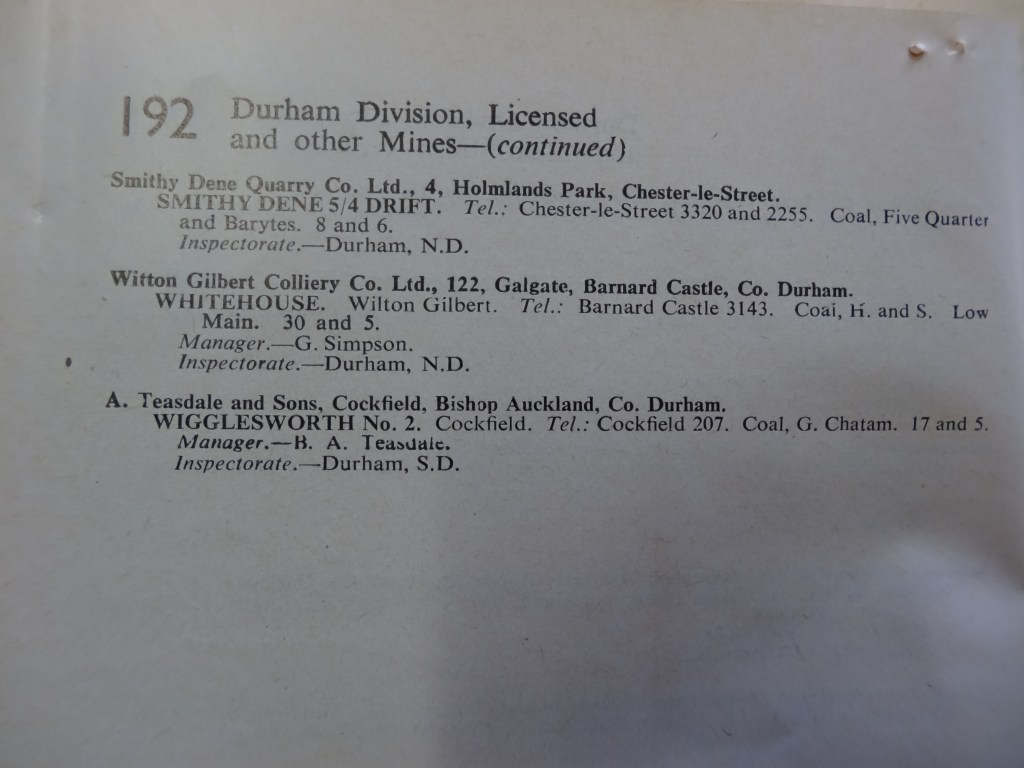
Below: 1958 Guide to the Coalfields: Durham Division.
Selected pages which show the NCB concerns and Licensed Mines.



The former Ramshaw Coal Company Ltd. collieries were all closed by 1959.
- Copeland House: Harvey seam abandoned 1948
- Ramshaw No.2 also known as the Rising Sun, located at Spring Gardens: Busty 1950; Brockwell 1951
- Ramshaw No.1: Hutton, Brockwell 1958
Below: A plan to show the location of the Ramshaw group of collieries.

Other closures followed:
- 1960: Randolph Colliery closed – the Marshall Green and Ganister Clay seams abandoned.
- 1961 (February): Gordon House Colliery closed – the Brass Thill seam abandoned.
For the year 1959, Randolph and Gordon House Collieries drew a total of 87,128 tons 4 cwt. of coal, consisting of 44,273 tons 12 cwt from Randolph and 42854 tons 12 cwt from Gordon House. The Randolph output came from the Hutton seam (29,351 tons 16 cwt) and Marshall Green seam (14,921 tons 16 cwt), the Gordon House output was all from the Brass Thill seam. The output was relatively low compared to the coastal collieries such as Dawdon which produced 1,487,000 tons annually.
There were further closures in the area:
- 1961 (October): The Moor Hill Drift closed after 10 years – apparently, it was seen as a “white elephant”.
- 1962 (February): The Hutton Drift, Randolph and Esperley Lane Drift were closed. It was stated that there was a loss of 200 jobs although the press article below records that, “76 men will be affected.” Perhaps the figure of 200 related to the Colliery closure rather than the Hutton Drift. It is understood that the Esperley Lane Drift was closed at the same time.
At the end of 1962, the NCB in County Durham owned 97 collieries producing 22,972,000 tons of coal and employed 77,867 men.
Below: Gordon House Colliery, Cockfield

Below: November 1958: Standing: Cecil Hope; Danny Slack and Bobby Black
Front: Keith Dunning; Eric Flynn; Jack Wall and Raymond Roberts

Below: Jos. Woodward, believed to be with the last pit pony to come out of Gordon House.
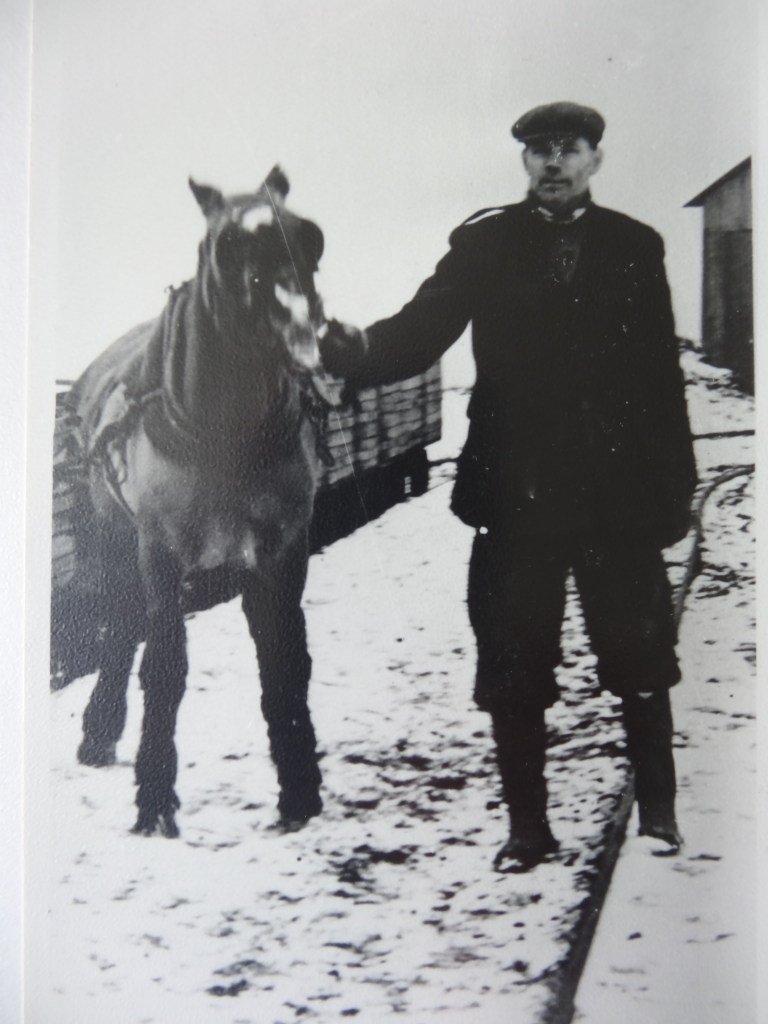
Below: Esperley Lane Drift, Left to Right: Ray Wood, Les Race & Howard Anderson
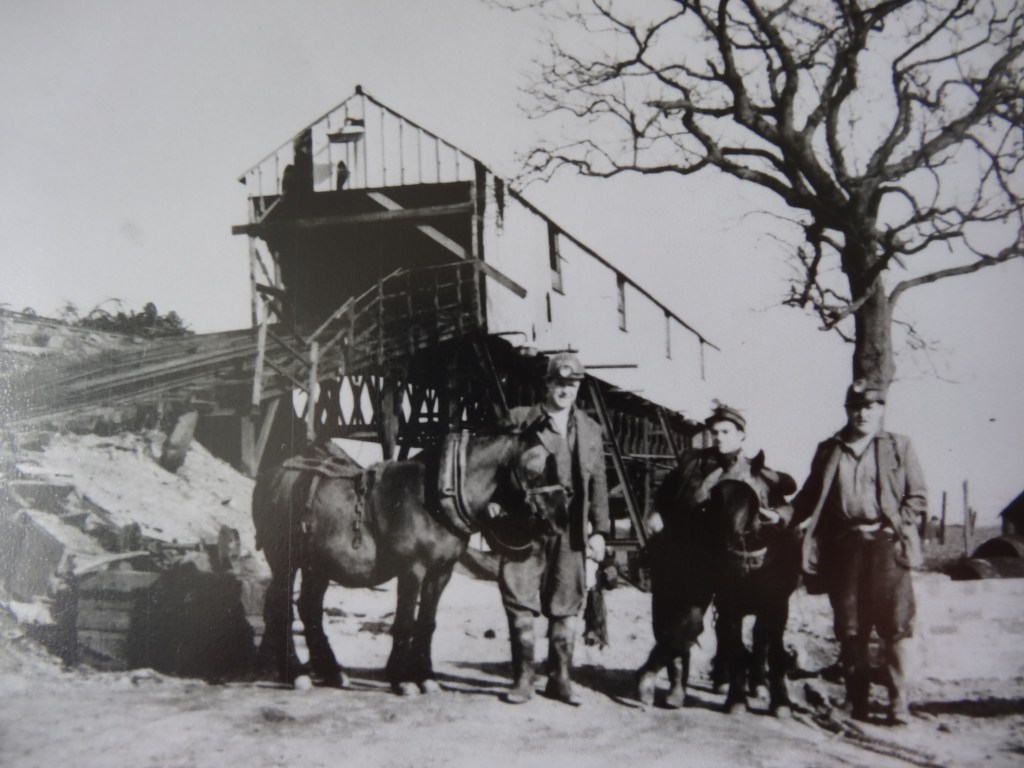
Below: c.1960 Hutton Drift miners
Back row: Ronnie Lamb, Jim Clark, Jackie Bell, Jackie Towers, Norman Robson, C. Pattison.
Front row: Freddy Bell, George Knight, Alf Sams.

Below: Closing of Friday:
Left to right: Jack Towers, Joe Featherstone, Norman Proud, Alf Sams, Jack Francis & Harry Danby.

By 1964, the NCB Durham Division No.4 South West Durham Area whose Group Manager was Henry Holt, the former Randolph Colliery manager, supervised only 7 pits, employing a total of 1,746 men. They were Brussleton Colliery, Haggs Lane Drift, North Tees, New Shildon, Middridge and:
- West Auckland drift – the manager was R.A. Bourne, employing 228 men underground and 42 at the surface with a saleable tonnage of 83,715 tons.
- Staindrop Field House drift – the manager was R.A. Bourne, employing 78 underground and 12 at the surface with a saleable tonnage of 29,933 tons.
360 men worked at West Auckland and Staindrop Field House Drifts.
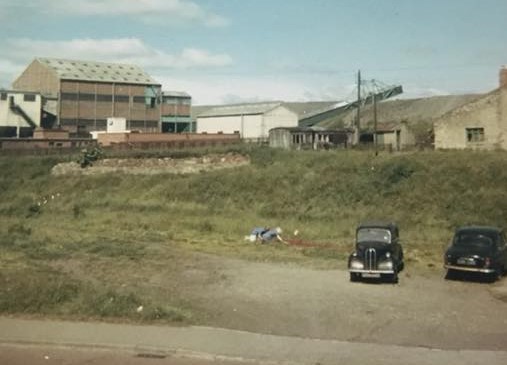
Below: West Auckland Washery
At this time, some families decided to move to other coalfields, a decision many families had made since the 1920s. The NCB had a resettlement scheme and many miners from the North East took advantage of it. At these new colliery villages, new houses and facilities were set up for the new residents. A number of local men and their families went south, for instance:
Robert Watson, a Randolph miner from Evenwood went to Calverton Colliery, Nottingham.
George Walton, from the Oaks also took his family to Calverton.
Charlie and Russell Woof, brothers originally from Staindrop, worked at Gordon House/Randolph Colliery, also headed there.
Terry Harper from Burnt Houses and Arthur Watkins, a Randolph NUM committee man went down south in search of work.
Members of the Wren family went to Rossington Colliery, near Doncaster, South Yorkshire.
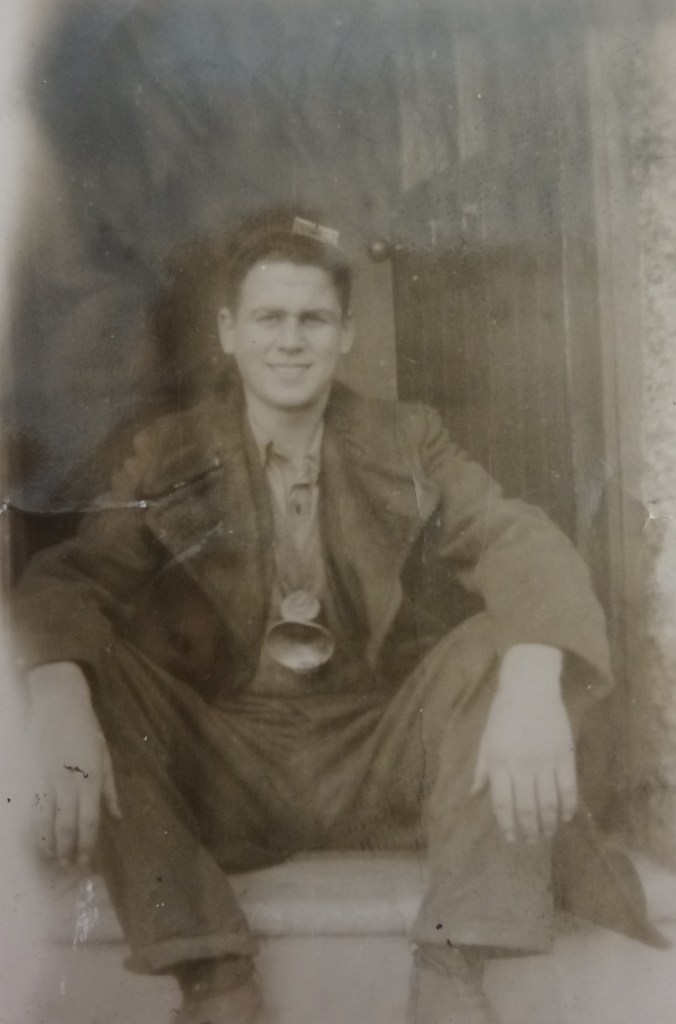
Eric Welsh worked at Gaugers Arms, Ramshaw Colliery and took his family to Staffordshire. He didn’t like the work in the deep mines and returned home.
Below: late 1950s: Eric Welsh at home, ready for a shift at Ramshaw Colliery.
There have been several Licensed Mines working in the local area and they included:
- Gordon Bank Drift at Ramshaw (Gordon Bank Coal Co.Ltd. working the Brockwell seam, 1960-65)
- Low Butterknowle at Low Lands (Low Butterknowle Coal Co. working the Busty drift at Low Lands abandoned 1966)
- Finlays Bank at Low Staindrop Field House, West Auckland (locally called Fidler’s Bank)
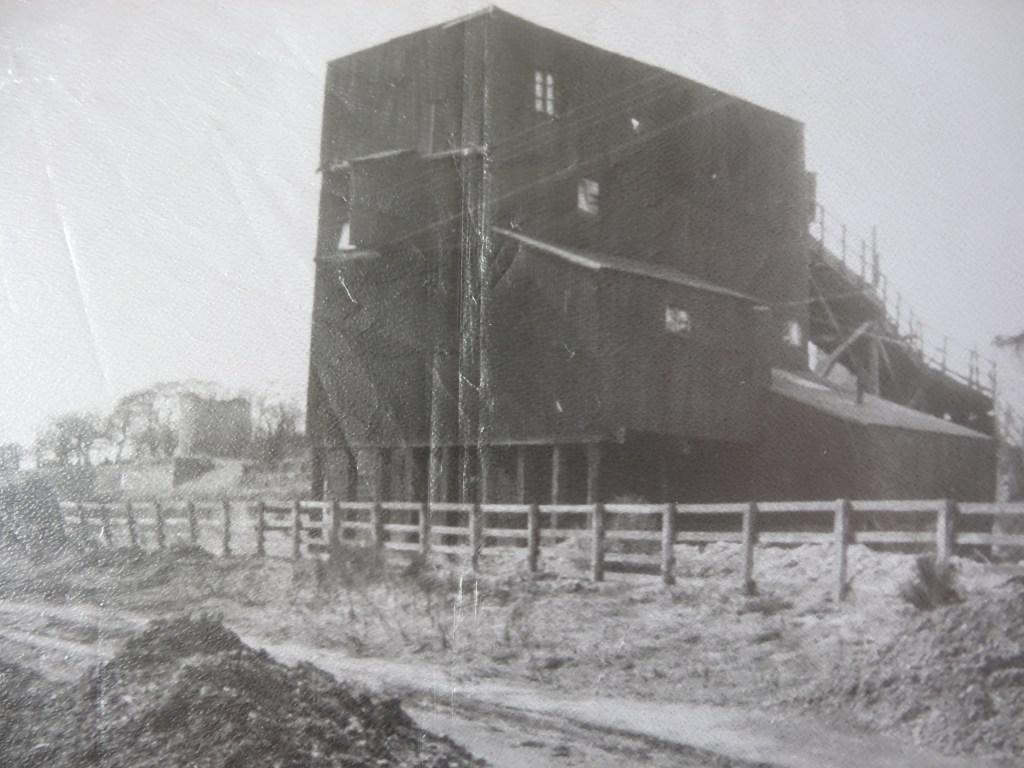
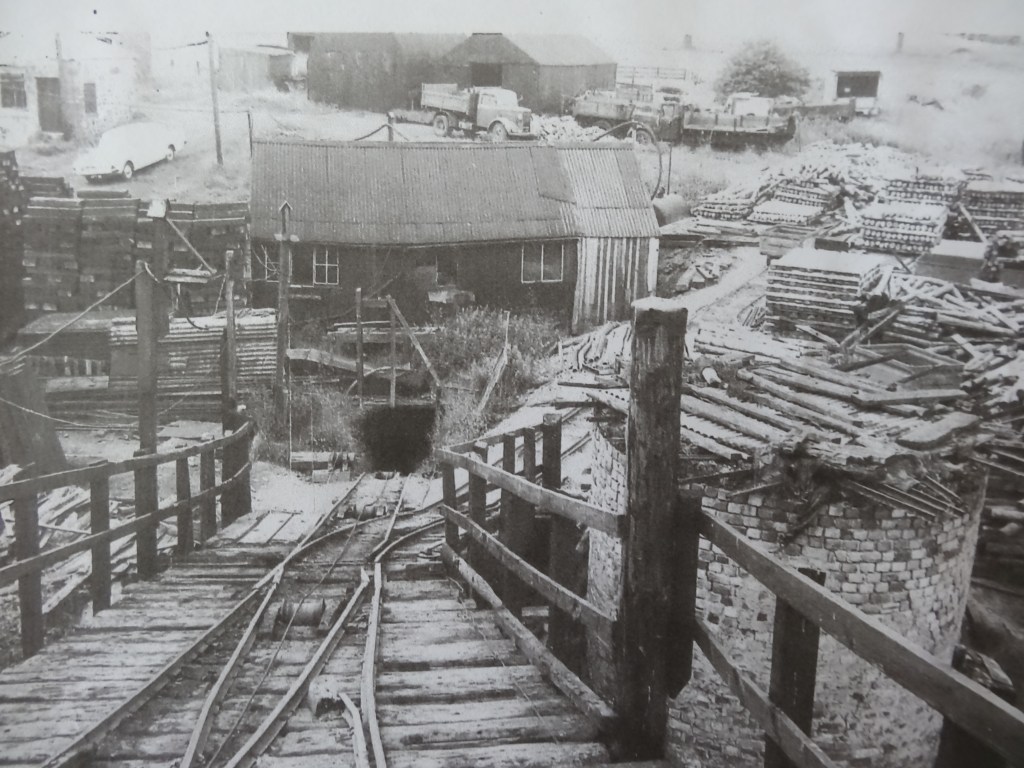
- Storey Lodge at Low Lands (working the Brockwell seam abandoned 1968)
- Norwood Drift, Ramshaw (Norwood Colliery Co. Ltd., 1980)
Below: Low Butterknowle Coal Co. licenced mine: Lands Viaduct Drift abandoned 1963
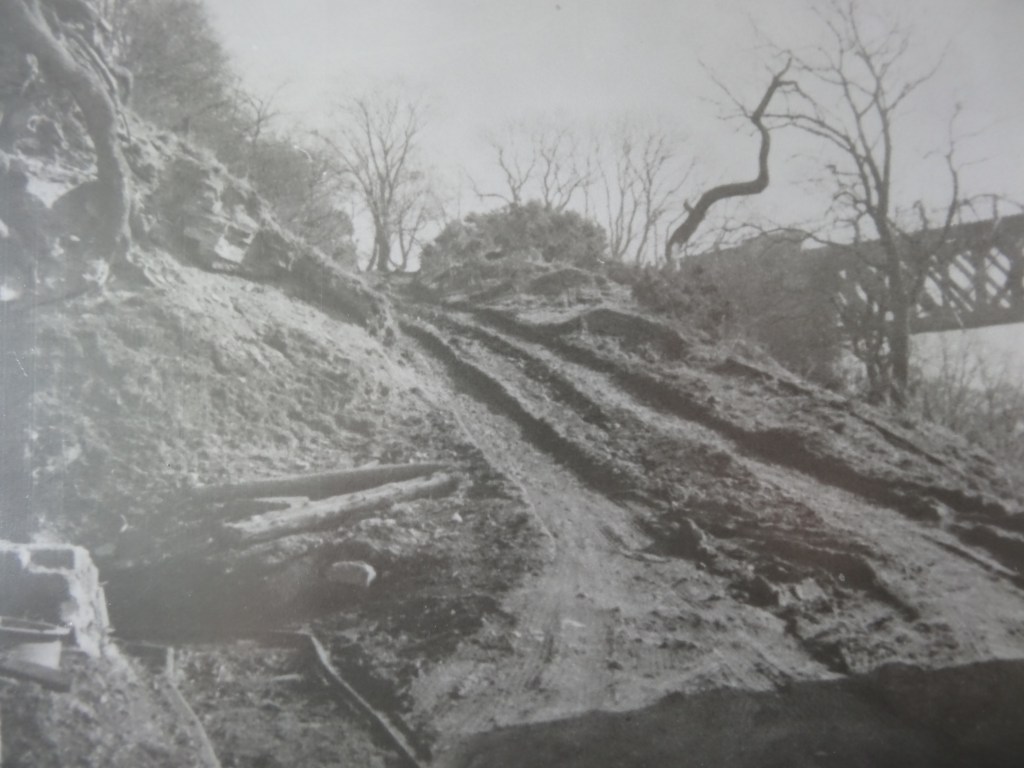
Below: Low Butterknowle Coal Co. licenced mine: Busty drift at Low Lands abandoned 1966

Below: c.1957 Messrs. Fred Wardle, Simpson and Jonty Thompson proprietors of Low Butterknowle Coal Co.

Below: 2 Photos of Storey Lodge Drift
Further NCB closures took place:
- 1967 (July): West Auckland Drift and Staindrop Field House Drift.
- 1967 (18 August): West Auckland Washery.
- 1968 (June): Brussleton Colliery.
In June 1968, the Gordon House Lodge (DMA) closed.
Those men who were transferred to Fishburn and Whitworth Park, Spennymoor saw their employment finished by 1974:
- 1973: Fishburn Colliery closed.
- 1974: Whitworth Park at Spennymoor, closed.
The table provides details of colliery closures between 1971 and 1983 and those still operating after the miners’ strike of 1984-85.

Coal mining by underground extraction (deep mining) in County Durham ceased with the closure of Wearmouth Colliery at Sunderland 10 December 1993 and in the North East on the 26 January 2005, with the closure of Ellington Colliery, Northumberland.
 EVENWOOD RAMSHAW & DISTRICT HISTORY SOCIETY