Family Details
John Frederick “Fred” Steel was born 11 September 1899[1] at Stainmore, Westmorland, the oldest son of Watson (1876-1968) and Margaret Jane Steel and brother to Joseph William. In 1901, the family boarded with Watson’s grandfather John Watson, an 80 years old widower and farmer at Middle Dougill, Stainmore, near Appleby, East Westmorland. Watson, then 24 years old was recorded as a “Mason.” Margaret, 25 years old, was recorded as “Housekeeper domestic duties”. Also living there were their 2 children, 2 years old John and 7 months old Joseph. [2] In 1911, Watson and Margaret lived at West View, Evenwood together with their 2 children, John Frederick [aged 12] and Joseph William [aged 10]. Watson was recorded as a “Grocer and draper.” [3]
Military Details [4]
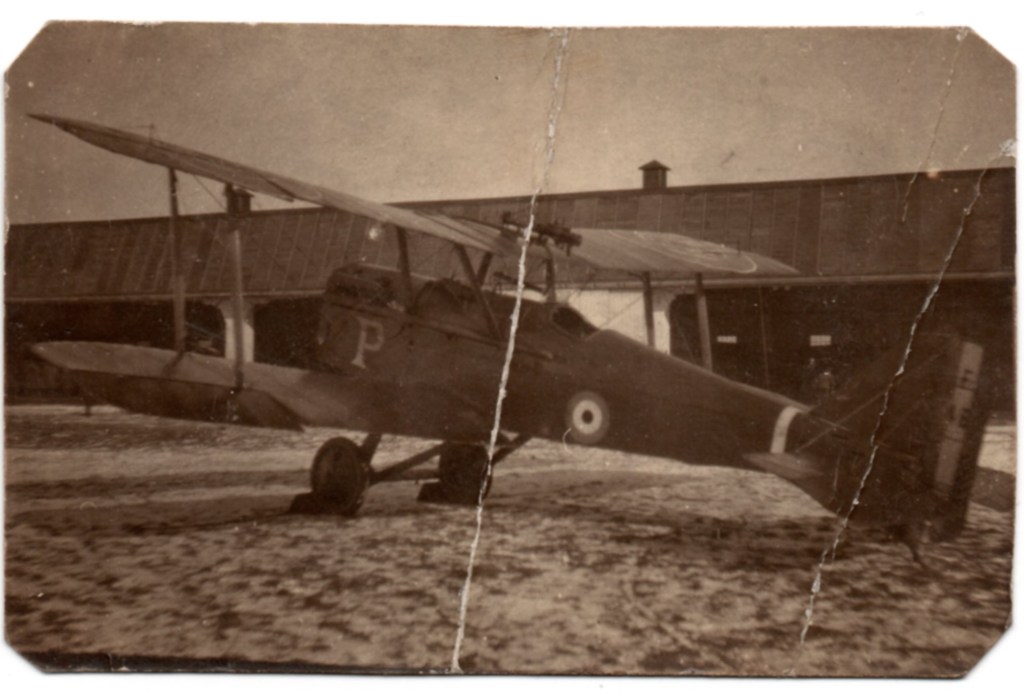
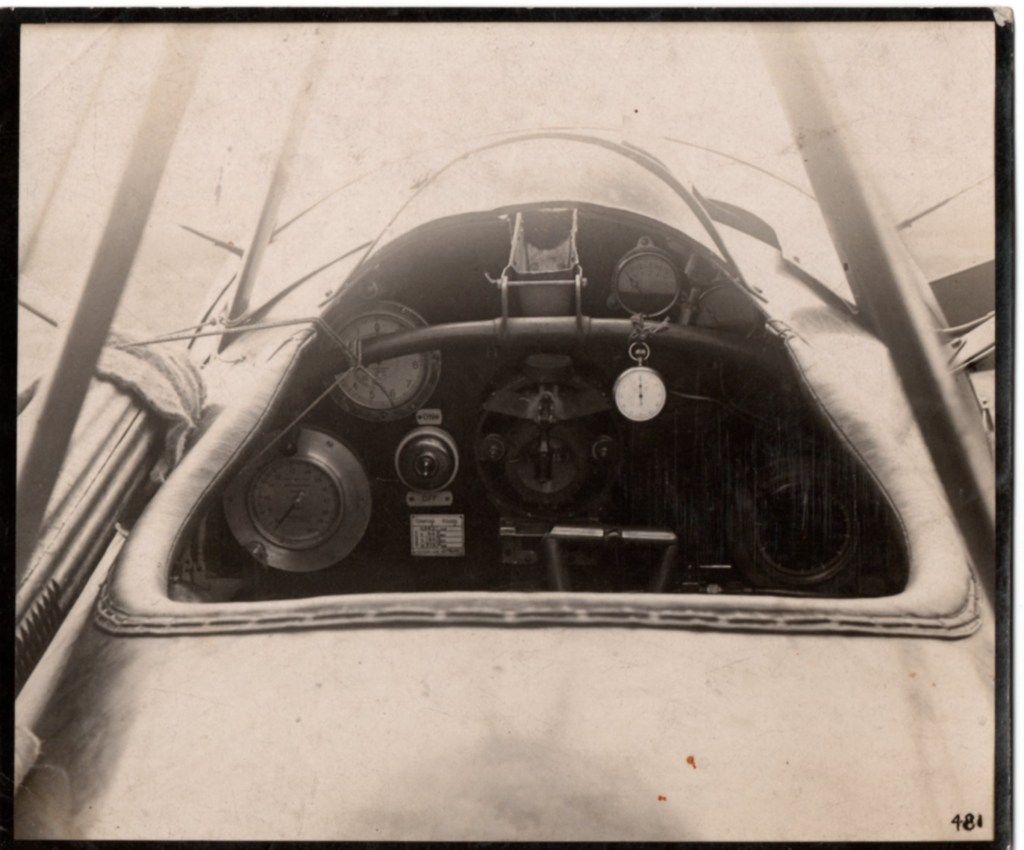
February 1917: Aged 17, Fred Steel enlisted into the Royal Flying Corps (RFC), being given the service number 59058. He served as an Air Mechanic with 29 Squadron. In April 1918, the RFC and the Royal Naval Air Service [RNAS] combined to form the Royal Air Force. 29 Squadron was on the Western Front and saw action at the Somme 1916, Arras 1917, Ypres 1917, Somme 1918 and Lys 1918. Air Mechanic Fred Steel was in France and Belgium from 1917 onwards.[5]

Above: Air Mechanic Fred Steel RFC
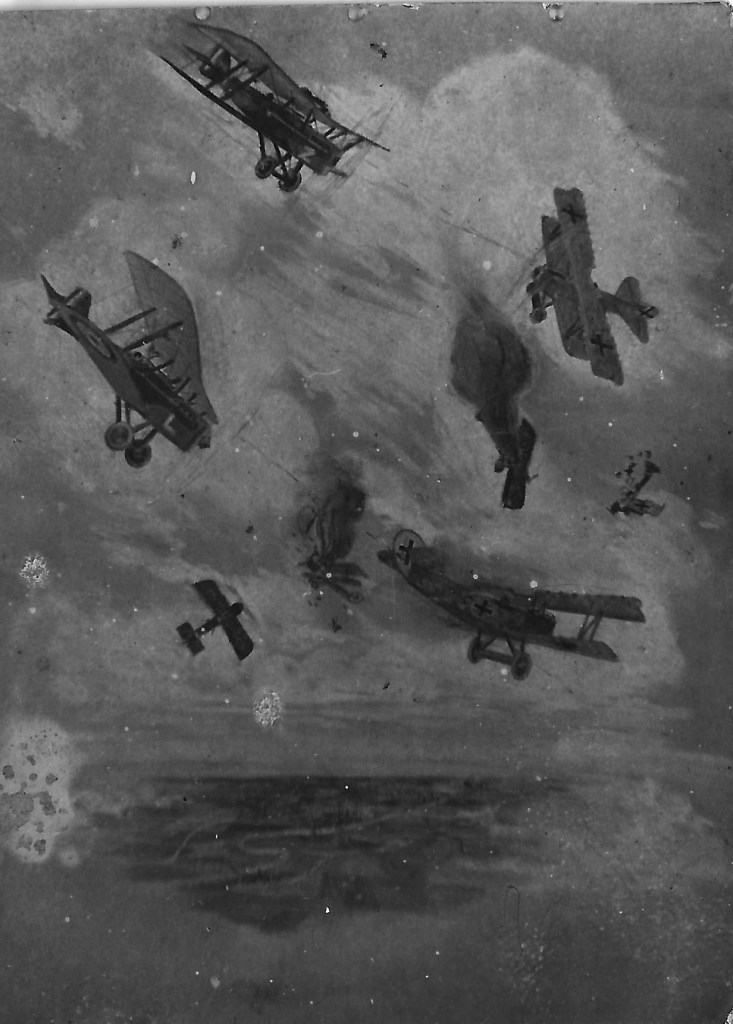
Above: A photographic image of a dogfight
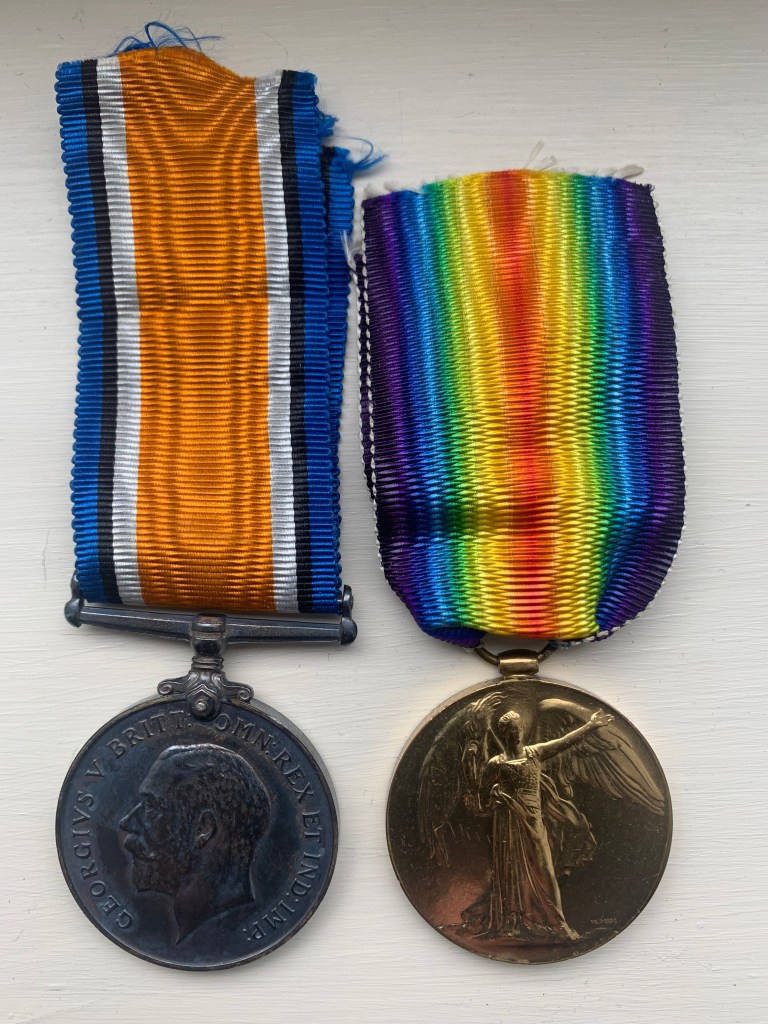
Above: The British War & Victory medals awarded to Fred Steel
Six months after the Armistice, in May 1919 Fred Steel was transferred to 206 Squadron. Fred was promoted to Leading Aircraftsman [LAC]. In June 1919, 206 Squadron was posted to Egypt to conduct an aerial survey of the River Nile from Luxor to Cairo. In April 1921, it seems that he was transferred to the RAF Reserve but was immediately recalled for service at the Shotwick Flight Training School, Flintshire, Wales. He was discharged in February 1925.
Further details are provided below:
- 12 February 1917: John Frederick Steel enlisted into the Royal Flying Corps [RFC] being given the service number 59058 and was posted to 29 Squadron.
- 1 April 1918: He was transferred to the Royal Air Force [RAF] when the RFC and RNAS were combined and reorganised. Rank: Air Mechanic 3.
- In 1918, John Frederick Steel was recorded as “59058 2nd AM RAF” [6] He was reported as being at home in February 1918 and on leave April 1919.[7]
- 1 January 1919: Classified AC2 Driver
- 5 May 1919: He was transferred to 206 Squadron.
- 1 February 1920: 206 Squadron was renumbered 47 Squadron. He was promoted to Leading Aircraftsman [LAC]
- 1 May 1920: Awarded 1st Good Service Badge
- 15 May 1920: Reclassified Acting Corporal [unpaid]
- 1 February 1921: Promoted to Corporal
- 2 March 1921: 47 Squadron Uxbridge “M” Section. Reverted to LAC
- 12 April 1921: He was recalled from the RAF Reserve
- 14 April 1921: Shotwick Reserve Pool
- 15 April 1921: 5 F.T.S. Shotwick [Flight Training School]
- 11 February 1925: Discharged
Some details of 29 and 206 Squadrons and the Flight Training School, Shotwick follow.
29 Squadron [8]
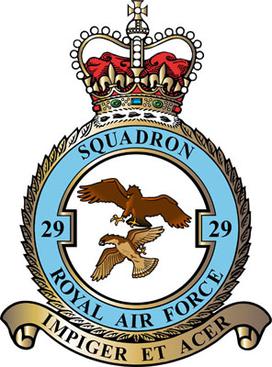
This unit was first raised as a reserve squadron, initially equipped with the Royal Aircraft Factory B.E.2c, in November 1915. In early 1916 however No. 29 became the fourth squadron to receive the Airco DH.2 “pusher” fighter and arrived in France on 25 March 1916 helping to end the Fokker scourge and establish Allied air superiority in time for the Battle of the Somme.
By late 1916, the DH.2 was outclassed by new German fighters but No. 29 kept its “pushers” until March 1917 when it was re-equipped with Nieuport 17s. These were replaced with later Nieuport types, such as the Nieuport 24bis, as they became available. In April 1918, the squadron received the S.E.5a, which it retained for the rest of the war.
2 April 1918: The Victoria Cross was awarded to Captain James McCudden of 29 Squadron. The citation records his, “conspicuous bravery, exceptional perseverance and a high devotion to duty” between August 1917 and March 1918.
After a short period with the army of occupation in Germany, the Squadron returned to the UK in August 1919 and was disbanded on 31 December 1919. The squadron ended the war having claimed 385 victories and 26 aces including Edgar O. Amm, Norman Brearley, Sydney Brown, Edgar G. Davies, Francis James Davies, Thomas Sinclair Harrison, D’Arcy Fowlis Hilton, Ernest Charles Hoy, Arthur G. Jones-Williams, Camille Lagesse, William Molesworth, James Dennis Payne, Arthur Reed, Charles G. Ross, Reginald H. Rusby, Alfred Shepherd, Christoffel Venter, Walter Bertram Wood
The Squadron won the following Battle Honours – Western Front 1916-1918, Somme 1916, Arras 1917, Ypres 1917, Somme 1918 and Lys 1918. Fred Steel served with 29 Squadron for 26 months, from February 1917 to May 1919.
206 Squadron [from 1 February 1920, 47 Squadron] [9]

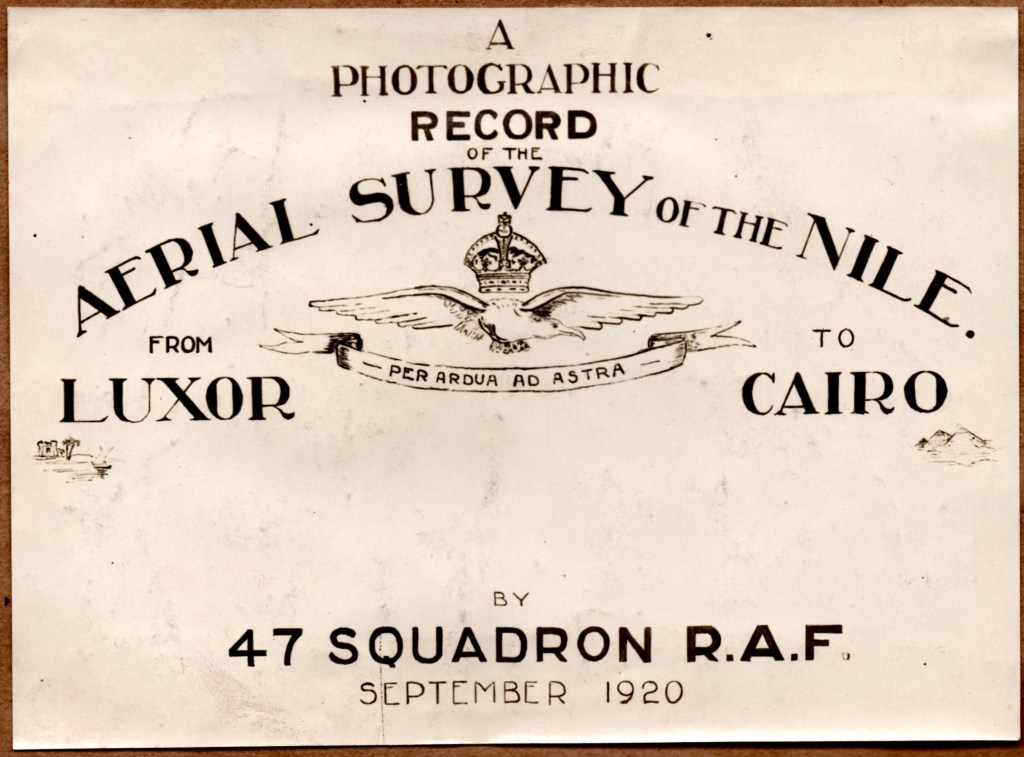
After the Armistice, 206 Squadron operated an air mail service for the British occupying army in Germany before being deployed to Helwan, Egypt in June 1919. Fred Steel joined the squadron 5 May 1919. Details of the photographic survey of the River Nile is given below: [10]
“The object was an Aerial Survey of the River Nile, including all the mud banks and islands etc., or in other words a continuous series of photographs of the complete river bed. Owing to the heat, all flying was done in the morning starting off at six and returning at nine o’clock, consequently as there were no long flights it was necessary to have a moveable Photographic Base.
For this purpose, the body of Photographic Lorry was removed from the chassis and placed on a flat railway truck which moved between Luxor and Assuit, finally arriving at Helwan Aerodrome [47 Squadron RAF].
The actual working hours of the Photographic Section were between 11.30pm to 4.00am.
Work had to be done during these hours as the heat of the day would have melted the films of plates and thus caused trouble and extra work.
The photos were taken with a six-inch LB type camera from a height of 14000 ft.
A Ford Car was used for conveying the Pilot, Observer and apparatus to and from the various landing grounds.
The aeroplane used was a De Havilland type 9a fitted with a 400HP Liberty Engine.”
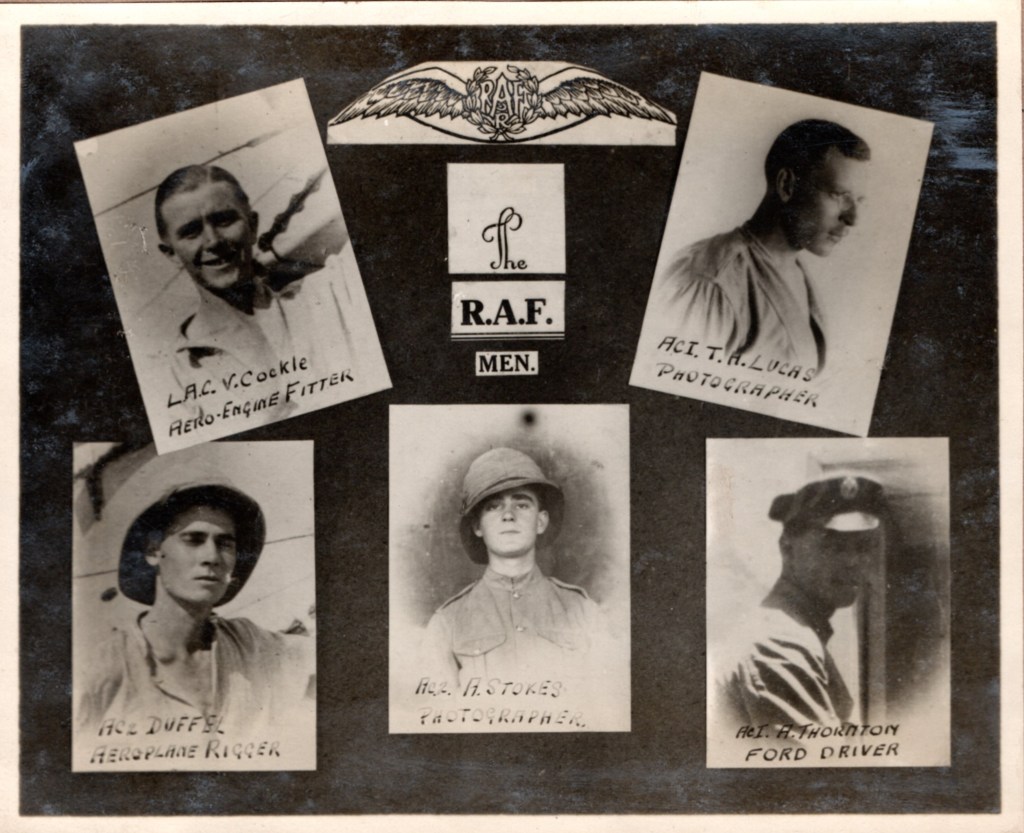
Personnel included:
- LAC V. Cockie, Engine Fitter;
- ACI T.A. Lucas, Photographer;
- ACI Duffel, Aeroplane Rigger;
- ACI A. Stokes, Photographer
- ACI A. Thornton, Ford Driver.[11]


In March 1921, Fred Steel was back at Uxbridge with 47 Squadron. It is presumed that the Nile Photographic Expedition lasted 21 months, from June 1919 to March 1921.
Shotwick Flight Training School [12]
The school was formed on 26 April 1920 at RAF Shotwick. It used a variety of aircraft including de Havilland DH.9s, Avro 504s, Sopwith Snipes, Westland Wapitis, Avro Tutors, Gloster Gauntlets, Westland Wallaces, Hawker Audaxs, Hawker Hinds, Fairey Battles, Hawker Hurricanes, North American Harvards, Miles Masters, Airspeed Oxfords, Miles Magisters and de Havilland Tiger Moths. It was disbanded in April 1942. It is assumed that Fred Steel was posted here for almost 4 years from March 1921 to his discharge in February 1925.
Inter War
In February 1925, Fred Steel was discharged from service in the RAF and presumably returned home to Evenwood. In 1935, he married Alice Lowson from Morley.[13] In 1939, Fred and Alice lived at 5 West View with Fred’s parents Watson and Margaret Steel. Fred was recorded as a “dairy farmer” and Watson as, “Groceries etc dealer”. The farm holding was situated to the rear of West View, basically 4 fields to the south of Randolph Colliery.
World War Two
Fred Steel held the rank of Lieutenant in the Home Guard – “D” Company, 17th Battalion, the Durham Light Infantry. He received an engraved rose bowl from “his old comrades” of 15 Platoon.

Post War
It is understood that some of the Steel farm land was compulsorily purchased by the National Coal Board to allow for the expansion of Randolph Colliery. Milk from the dairy herd was sold in the family shop at 5 West View. Hens were also kept. Fred Steel inherited the shop and in 1964 passed it on to his nephew John Steel. Fred Steel died in December 1970 aged 72 at Kirkby Stephen, Westmoreland.
John Steel ran the business until 1984 before selling out to the Devgan family.
Further details of Steel’s shop at West View will follow.
ACKNOWLEDGEMENT
Many thanks to Margaret Moore (nee Steel) for the photographs and family information.
REFERENCES:
[1] RFC/RAF service details
[2] 1901 Census
[3] 1911 census
[4] RFC/RAF service details unless referenced otherwise
[5] Fred Steel’s photographs provide evidence
[6] Absent Voters List 1918
[7] Evenwood Parish Magazine
[8] https://en.wikipedia.org/wiki/No._29_Squadron_RAF
[9] ttps://en.wikipedia.org/wiki/No._206_Squadron_RAF#:~:text=206%20Squadron%20was%20formed%20on,reconnaissance%20unit%2C%20operating%20Airco%20DH9s.
[10] “A Photographic Record of the Aerial Survey of the Nile from Luxor to Cairo by 47 Squadron RAF September 1920” The photographs shown here are those from this album, in the possession of 59058 LAC J.F. Steel, 47 Squadron RAF
[11] Photographs included in the album of “The RAF Men”
[12] https://en.wikipedia.org/wiki/No._5_Flying_Training_School_RAF
[13] England & Wales Marriage Index 1916-2005 Vol.10a p.549 Auckland 1935 Q3
 EVENWOOD RAMSHAW & DISTRICT HISTORY SOCIETY