The colliery was sunk about 1892 by the North Bitchburn Coal Co. Ltd. It was located south of the main road into Cockfield, north east of St. Mary’s Church. The Brockwell seam was reached in 1893. The tramway went down the valley side, through a tunnel under the road, down Cockfield Fell, over Cockfield Quarry, through another tunnel down to the coal screens at sidings to the south of the River Gaunless and then onto the Haggerleases Branch railway to the north of the river. In 1899, this railway was renamed the Butterknowle Branch.
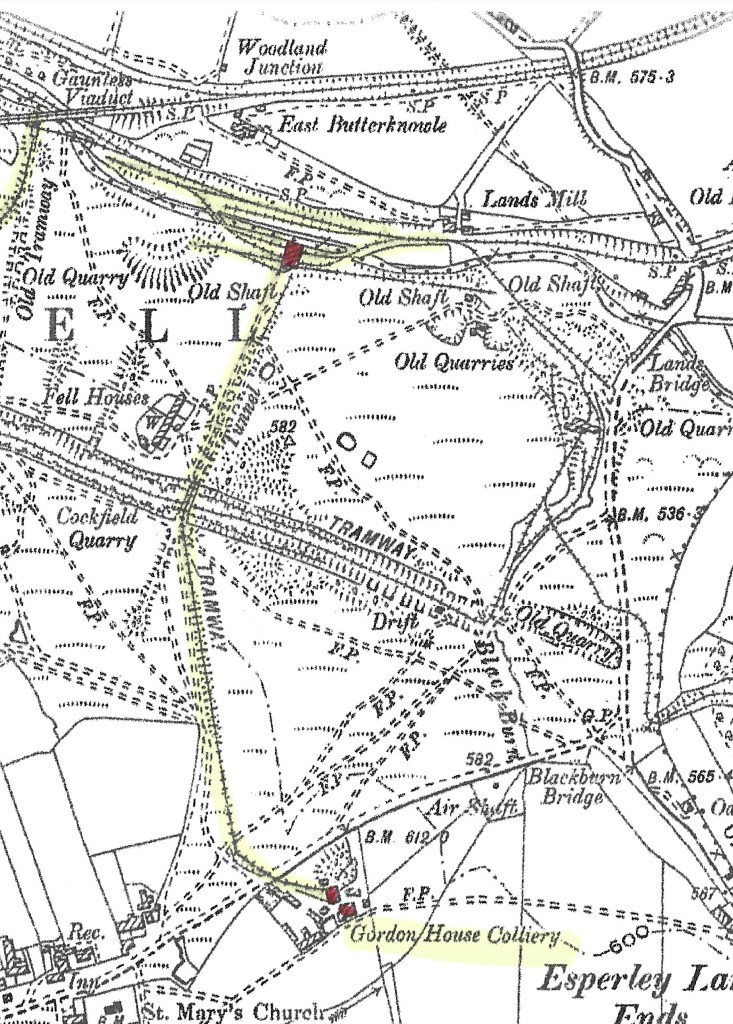
Above: 1898 OS map showing Gordon House Colliery and the tramway leading northwards over Cockfield Fell
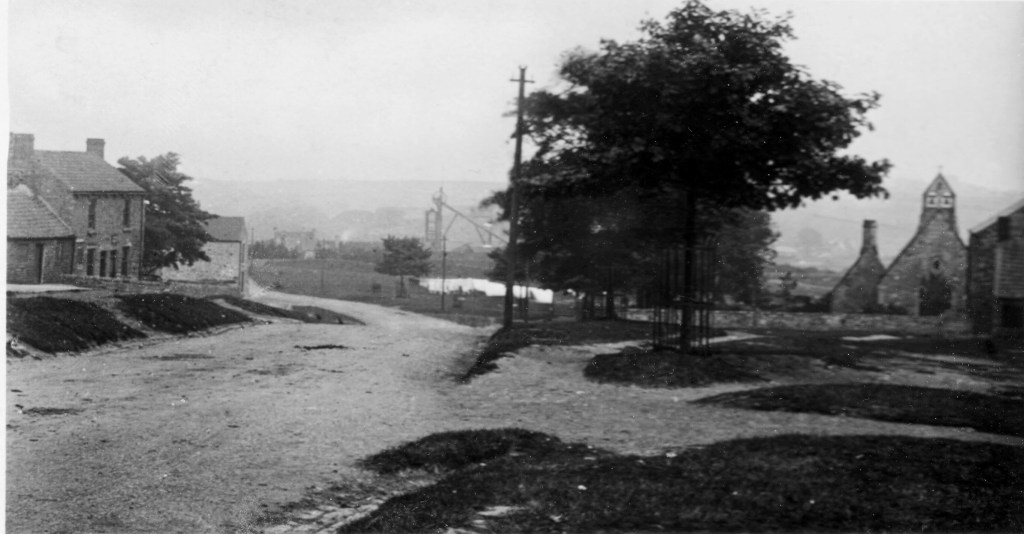
Above: In the background, Gordon House Colliery
A second pit was sunk in 1903, called Mostyn Colliery, further to the south and south east of St. Mary’s church. The tramway was extended to reach this new site.
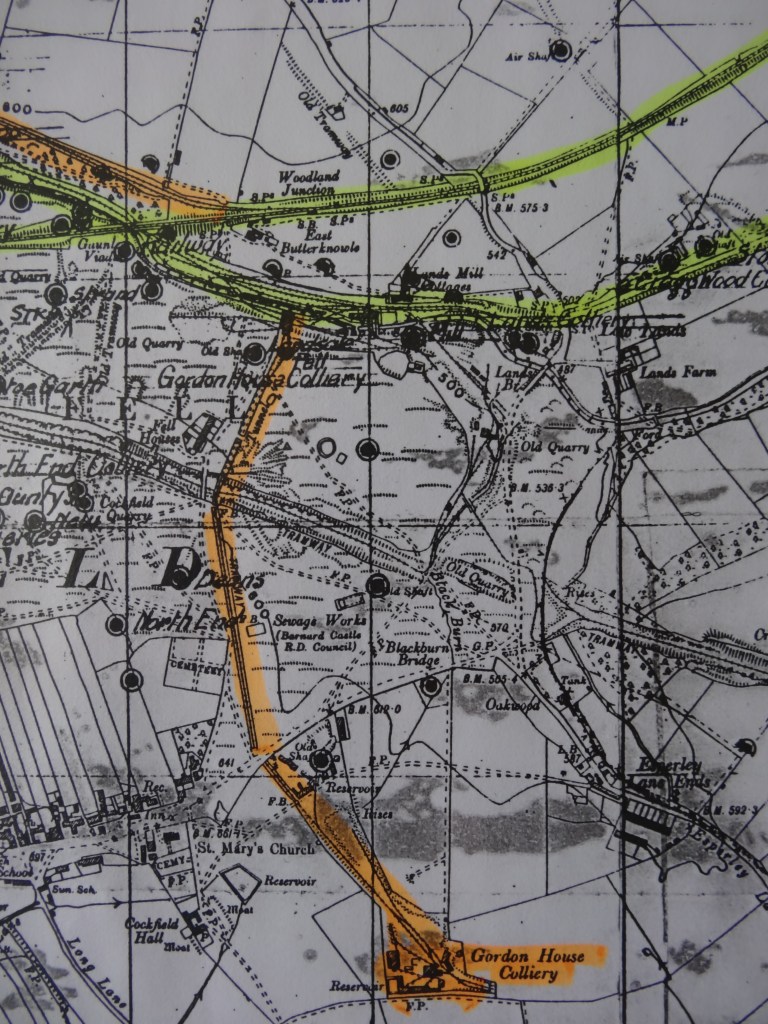
Above: 1921: thee new Gordon House Colliery
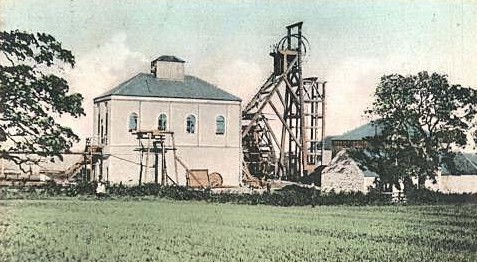
Above: A postcard image of Mostyn Colliery
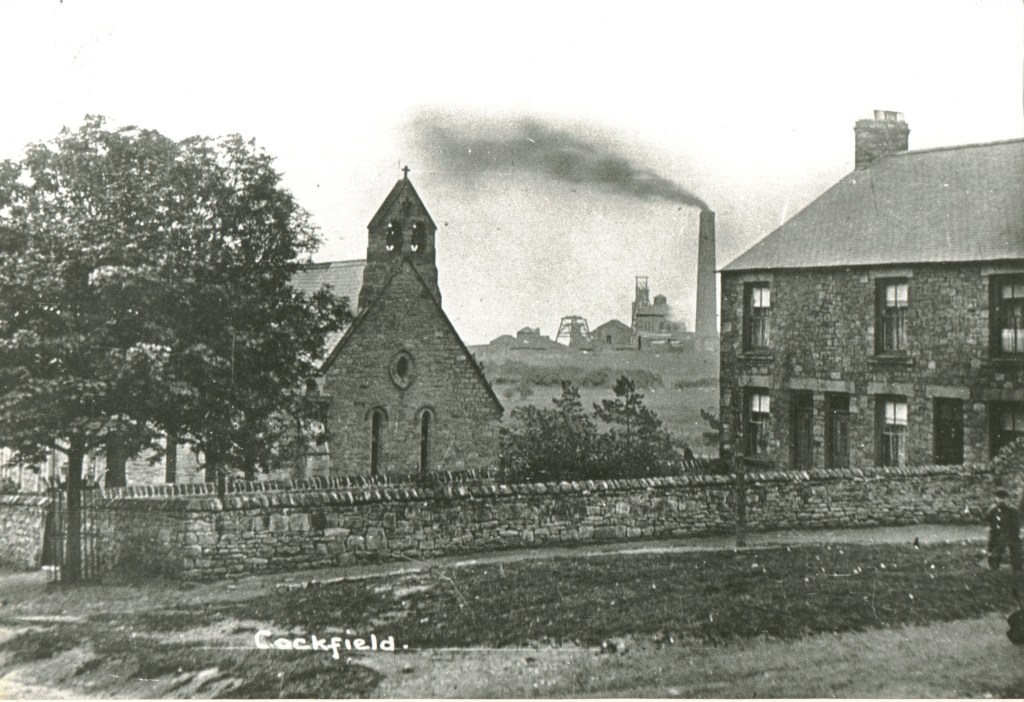
Above: Gordon House Colliery, Cockfield
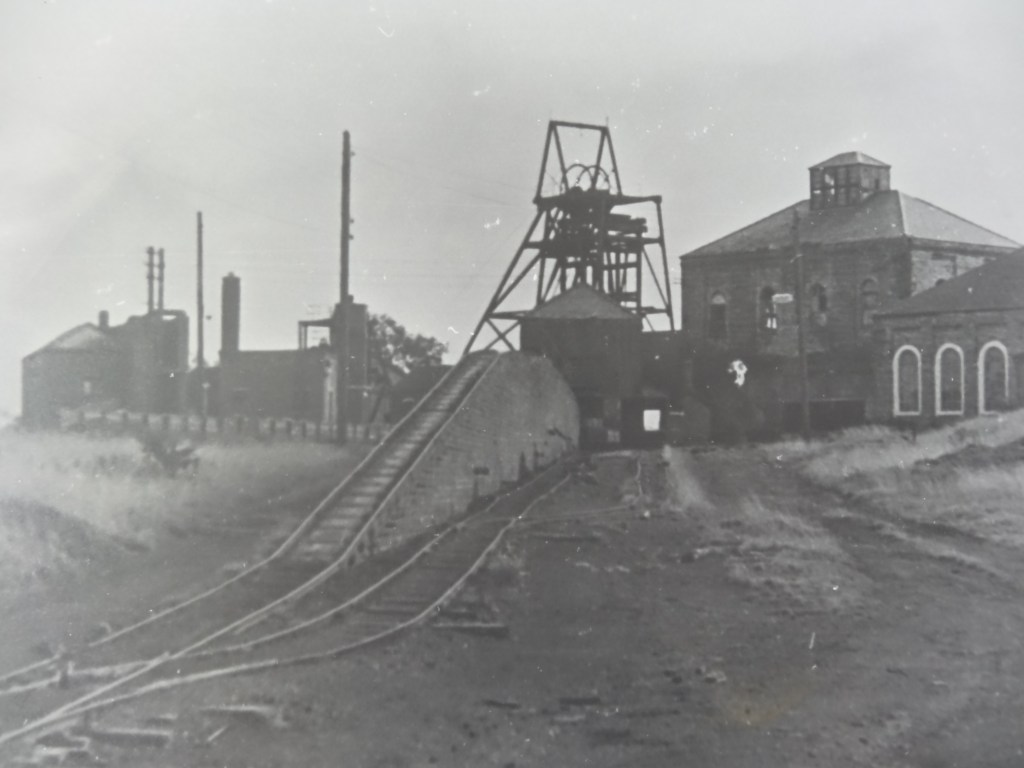
Above: Gordon House Colliery
The photo above shows the landing for the full coal tubs to commence the decline down the incline. The shaft and the pit head gear is behind. The building to the right of the photo is that illustrated on the postcard – Mostyn Colliery, distinguished by the 4 arched windows at first floor level and a ventilation construction on the ridge of the roof.
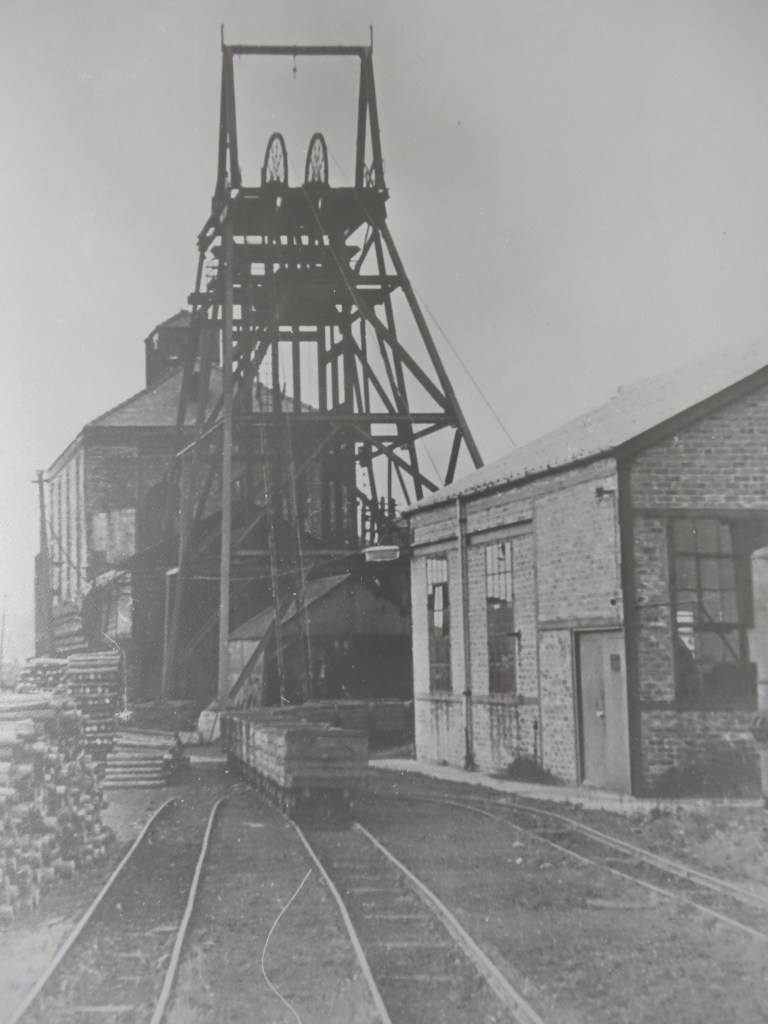
Above: The pit yard at the back of the shaft
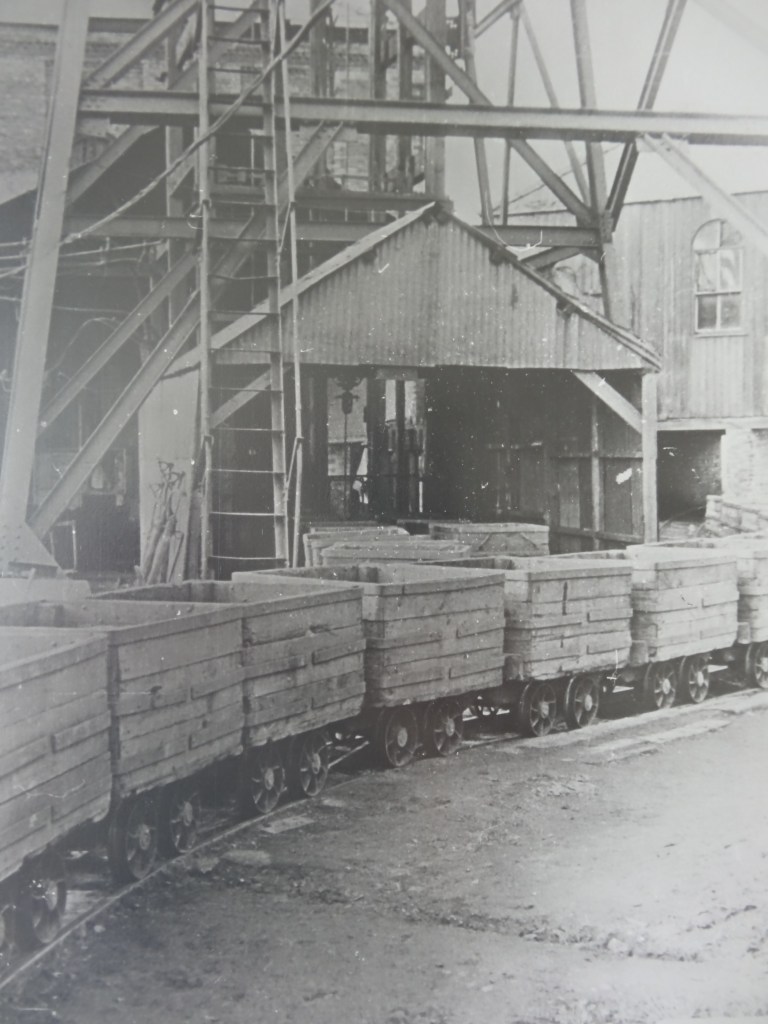
Above: A line of empty tubs
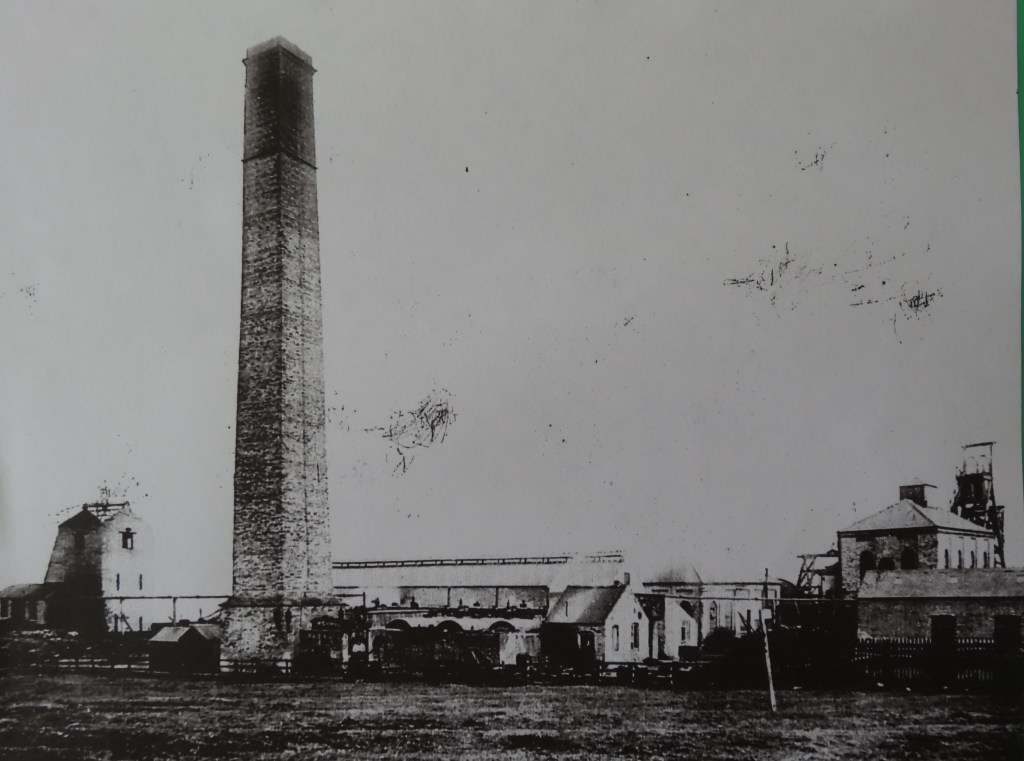
Above: Gordon House Colliery
Below are 3 photographs courtesy of Elizabeth Byers from Nanaimo, British Columbia, Canada. She is a descendant of the Widdas and Snowdon families who were senior officials employed by the North Bitchburn Coal Co. Ltd. (see details about this company under Randolph Colliery).
Below: The first photo is dated 15/12/1897.
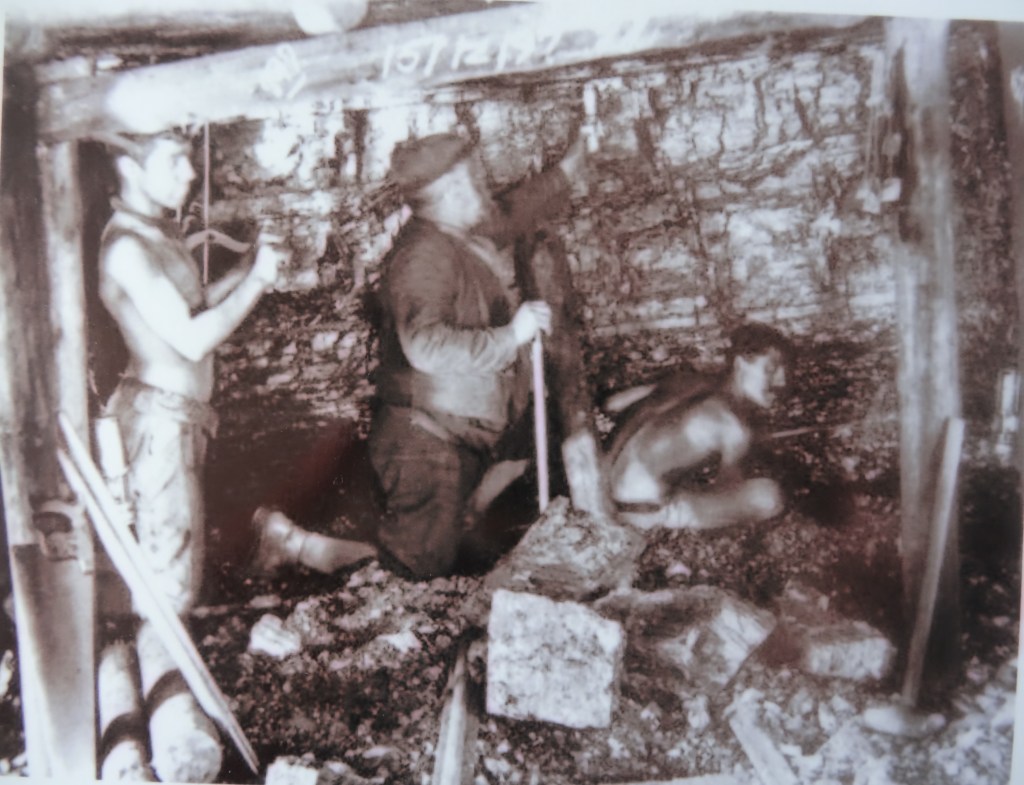
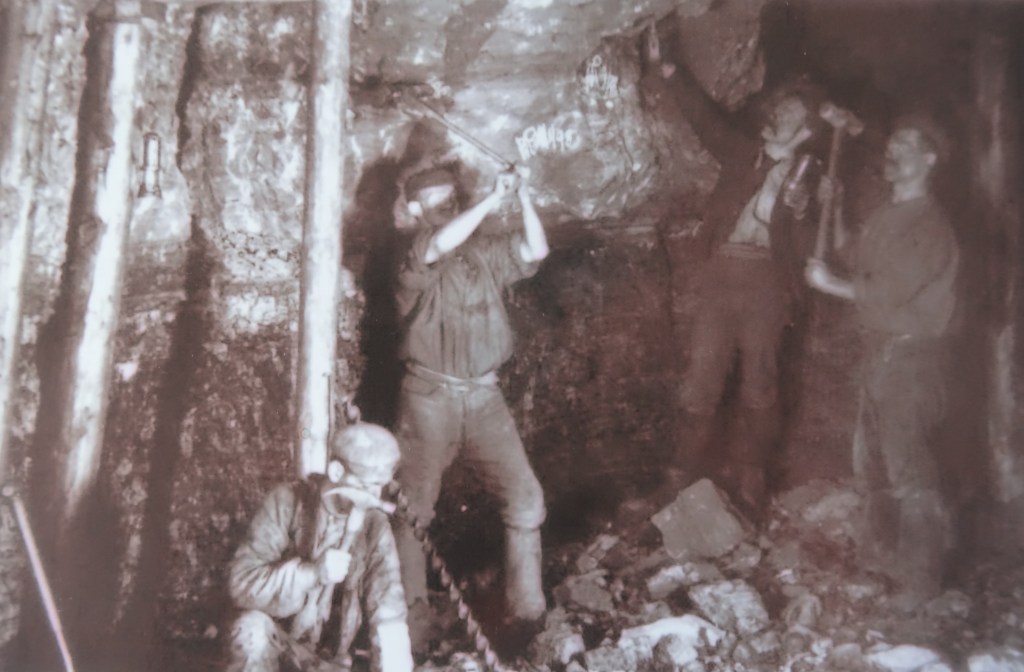
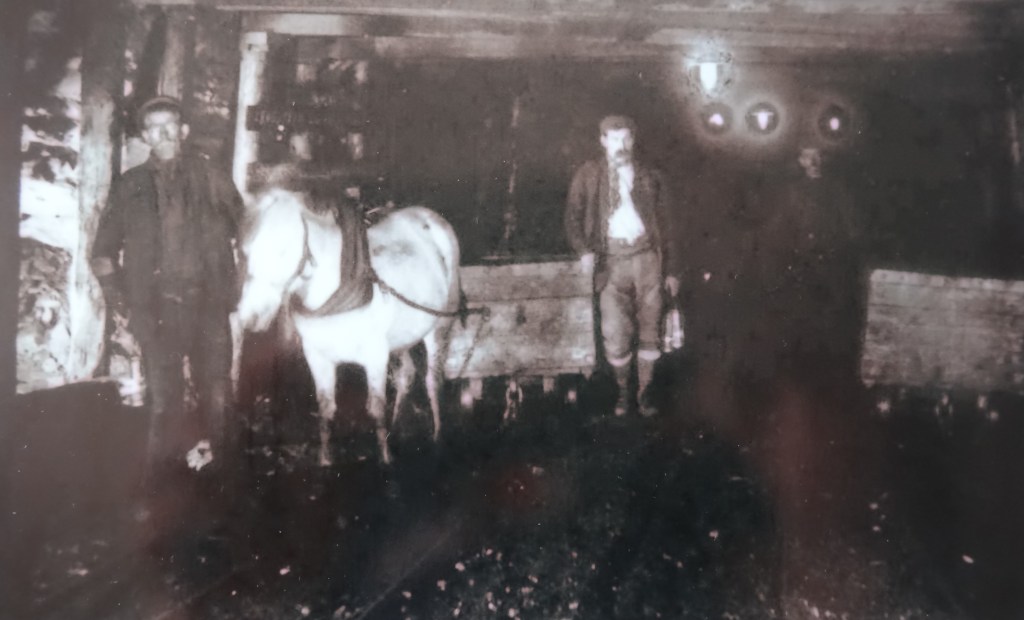
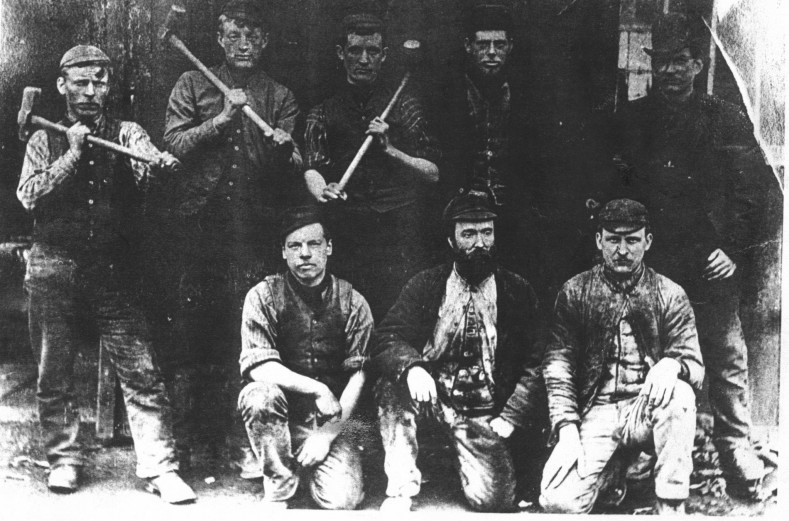
Below is a photo showing blacksmiths from Gordon House Colliery (Courtesy of Beamish Museum)
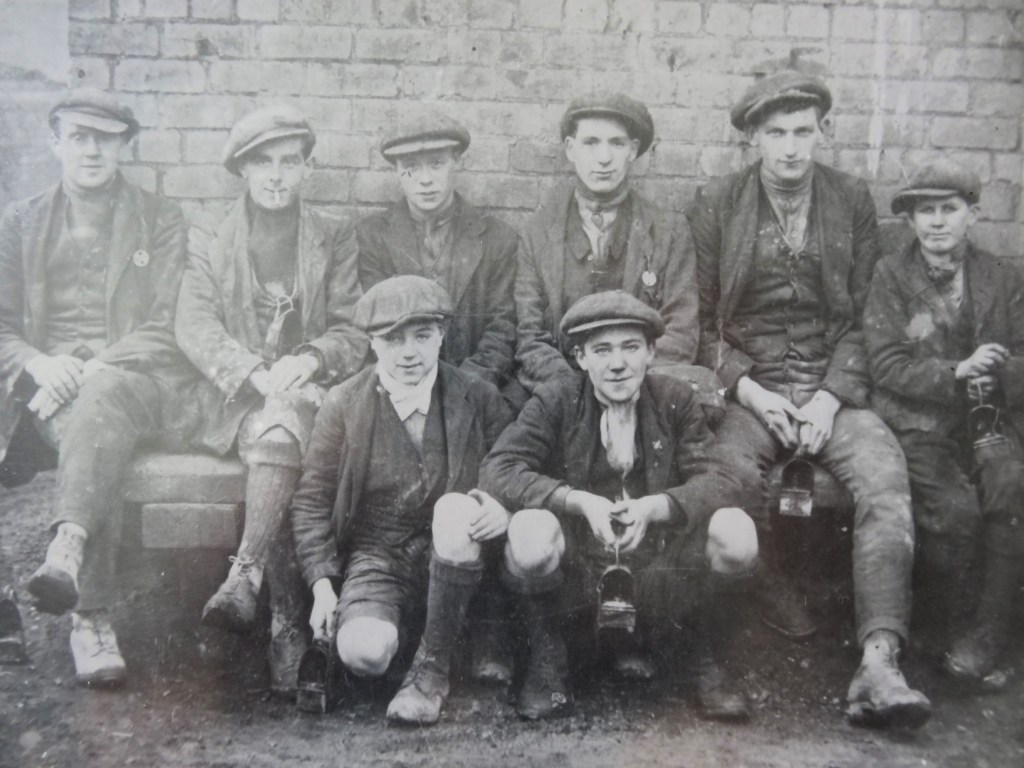
Below are 2 photos showing Gordon House miners, understood to have been taken about 1914. A travelling photographer took these which are numbered B92 and B100. There are similar photos for Railey Fell/West Tees Colliery at Ramshaw and Randolph Colliery, Evenwood.
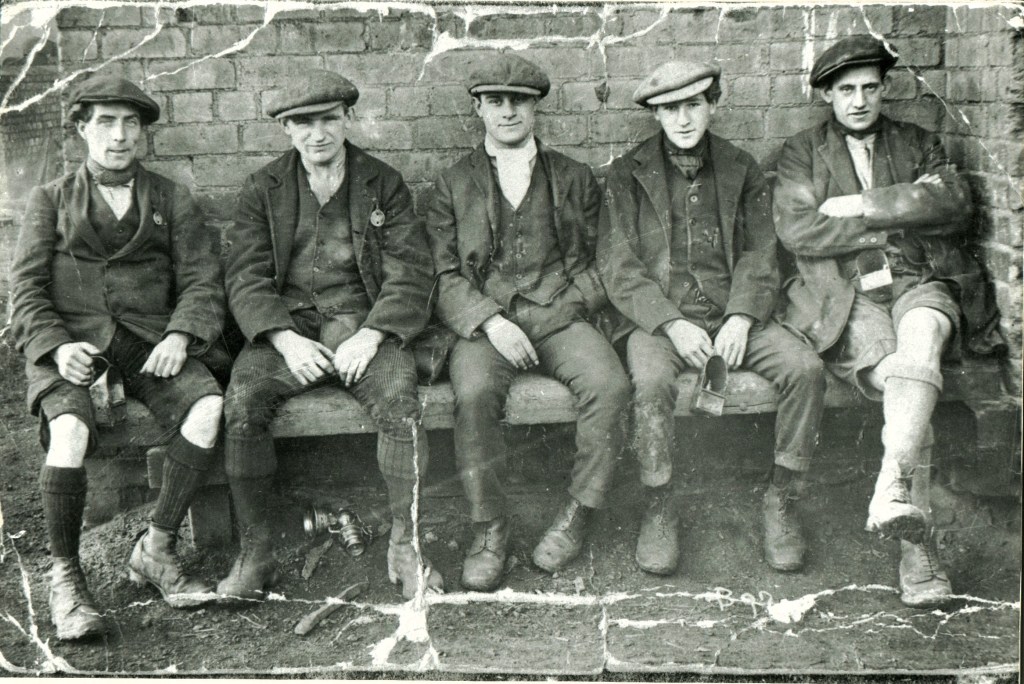
Above: B92: Left to right: Billy Moses, Charlie Robson, B. Nodding, A. Kirby & Walter Race.
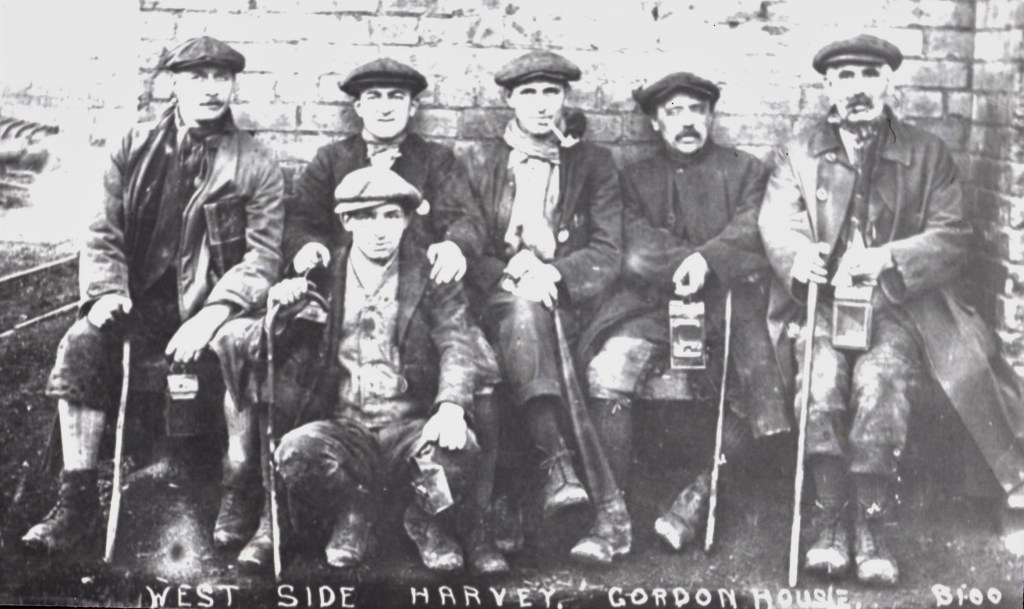
Above: B100: Left to right, Wilf Gray, Fred Hall, Dave Marley, Alf Simpson, Bert Chapman and at the front Jud Dowson.
Below are views of the screens and sidings which fed into the Haggerleases Branch later known as the Butterknowle Branch Railway.
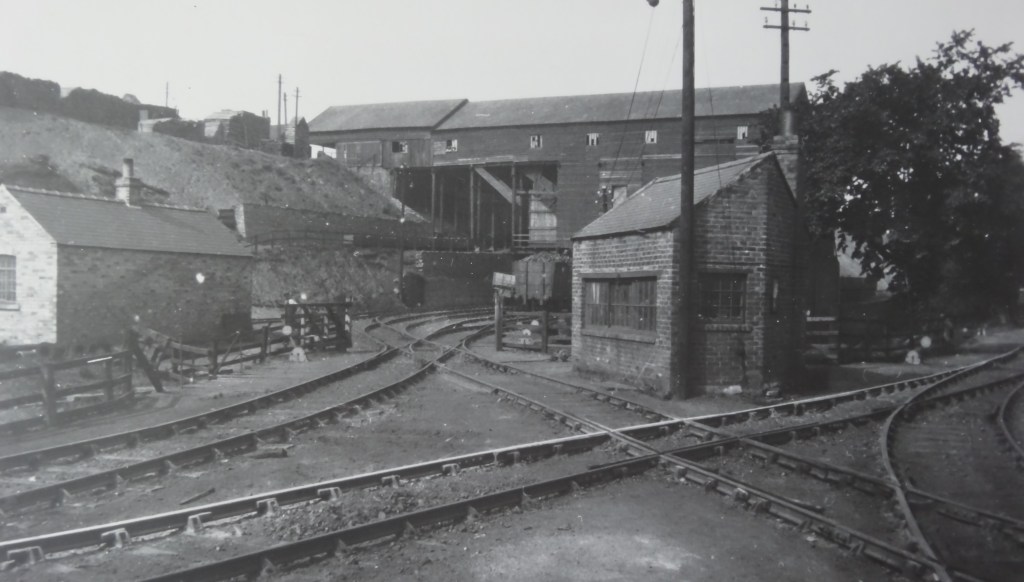
Above: The coal screens above the rail tracks
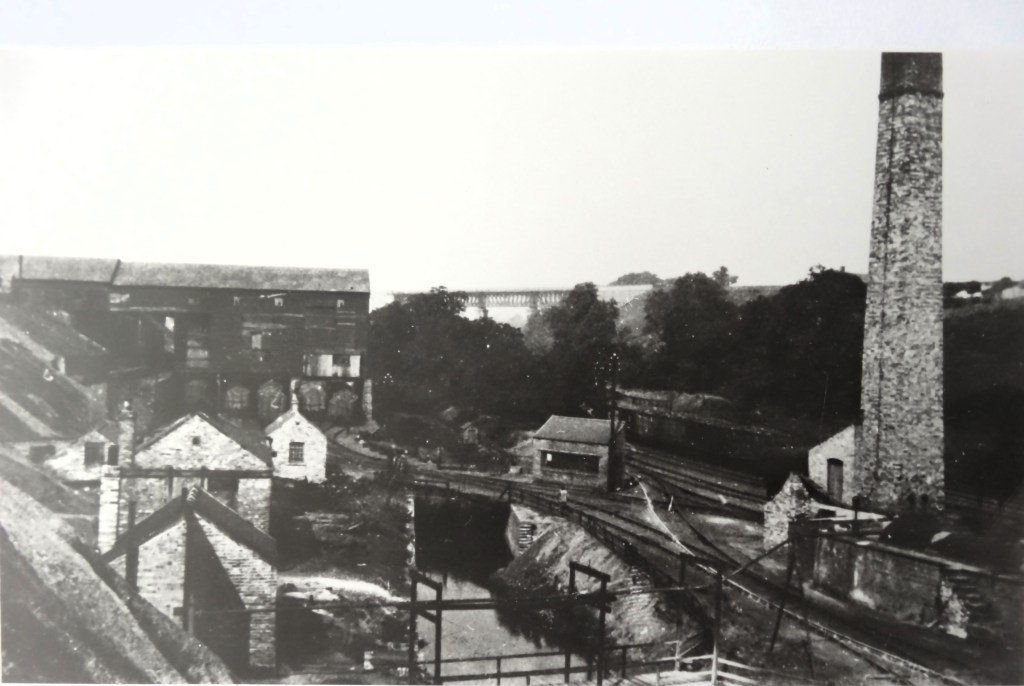
Above: The coal screens with the Gaunless Viaduct in the background.
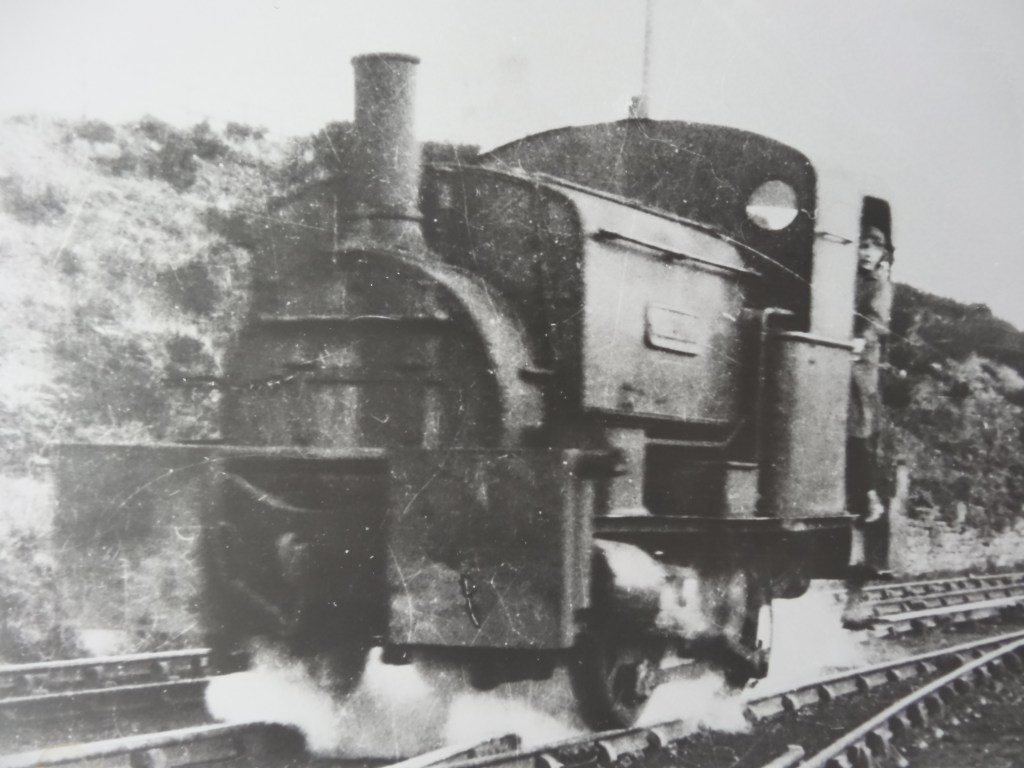
Above: Believed to be “Carbon” running along Cockfield sidings
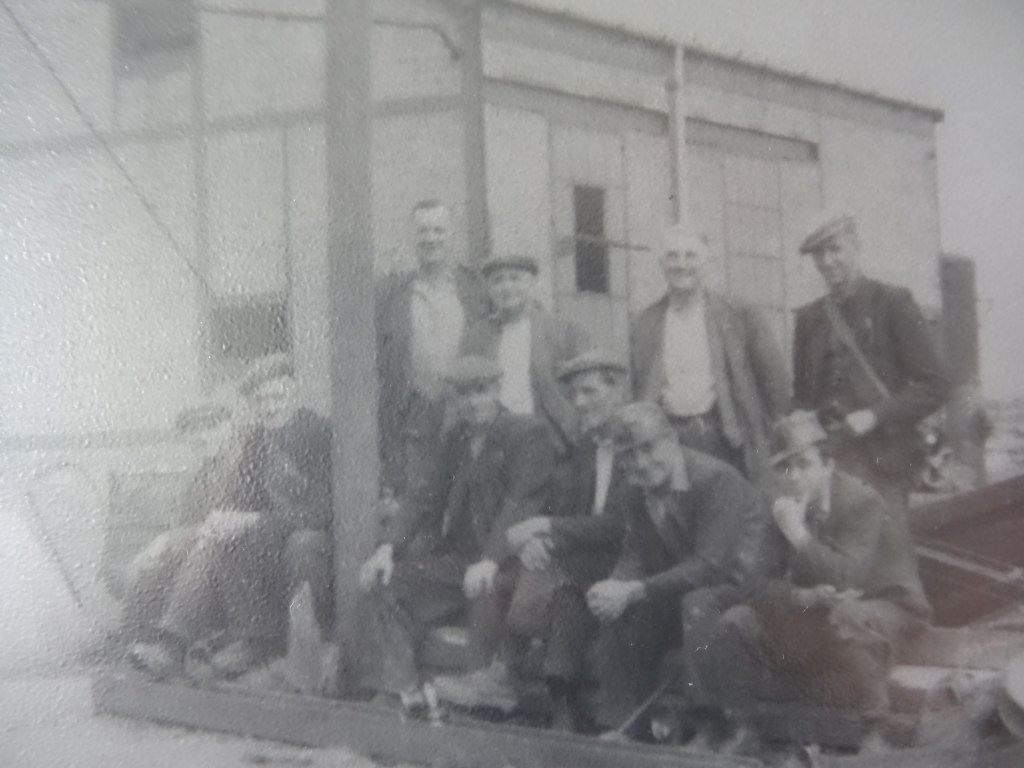
Above: 1950s, the group includes Freddie Bell & Willie Jackson.
Below: Three views of Oakwood House, Esperley Lane which was the colliery manager’s house.
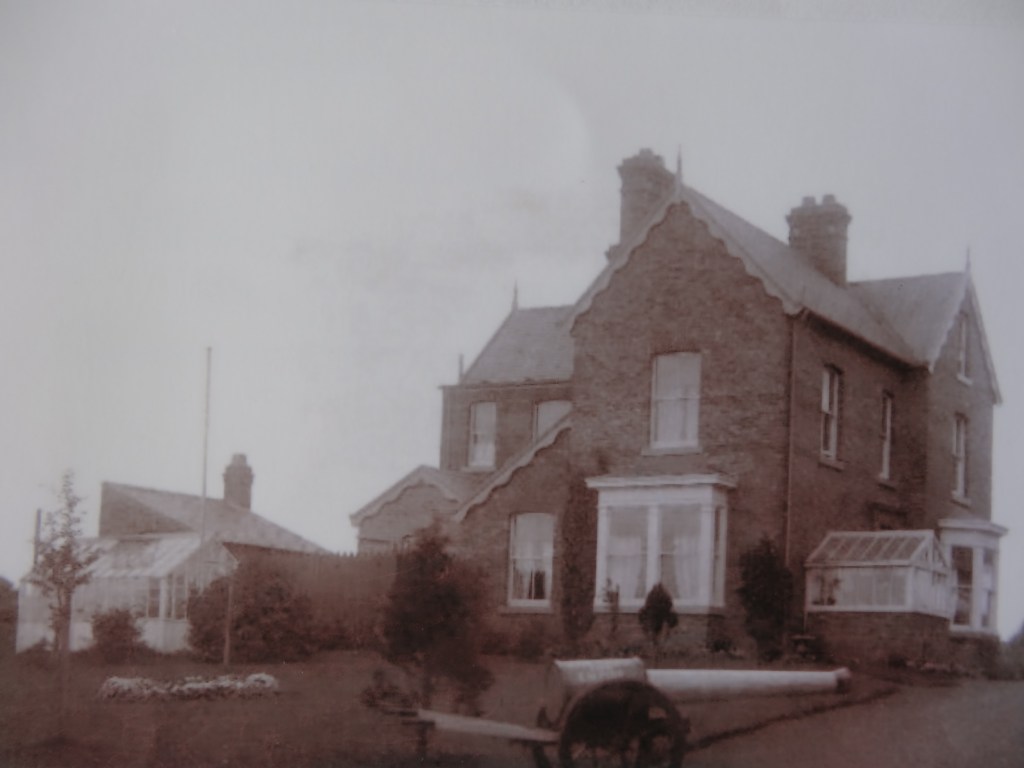
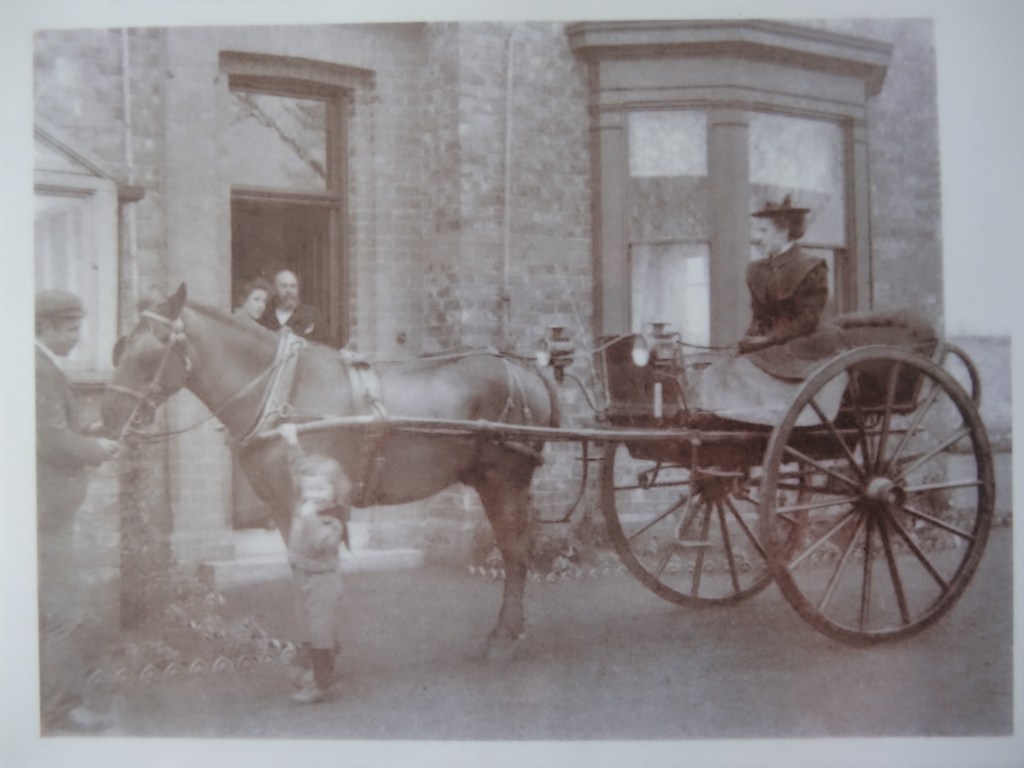
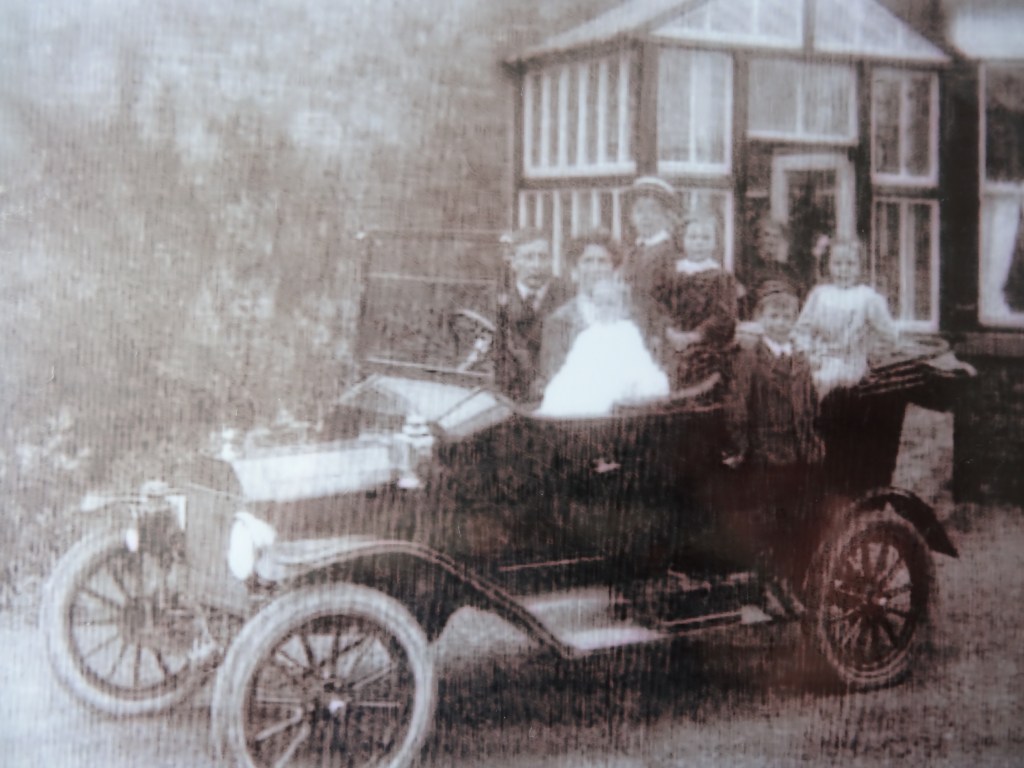
Above: 2 photographs show members of the Widdas family. (Courtesy of Elizabeth Byers)
Below: Jos Woodward leading out the last pit pony to work at Gordon House.
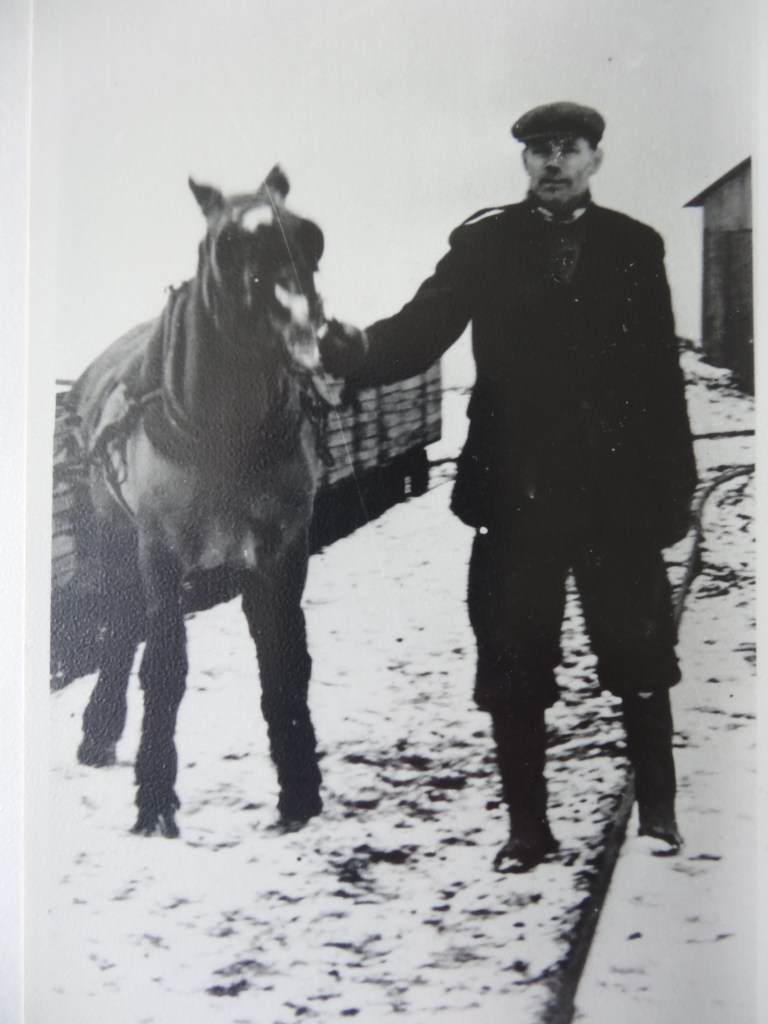
Gordon House and Randolph Collieries closed in 1960.
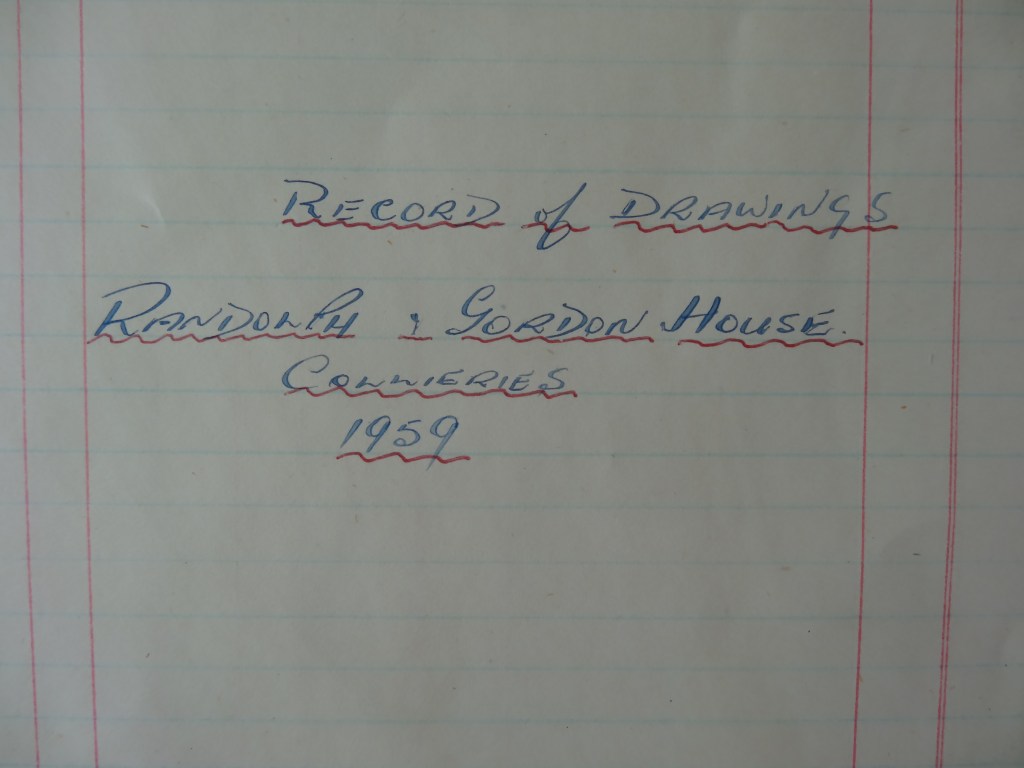
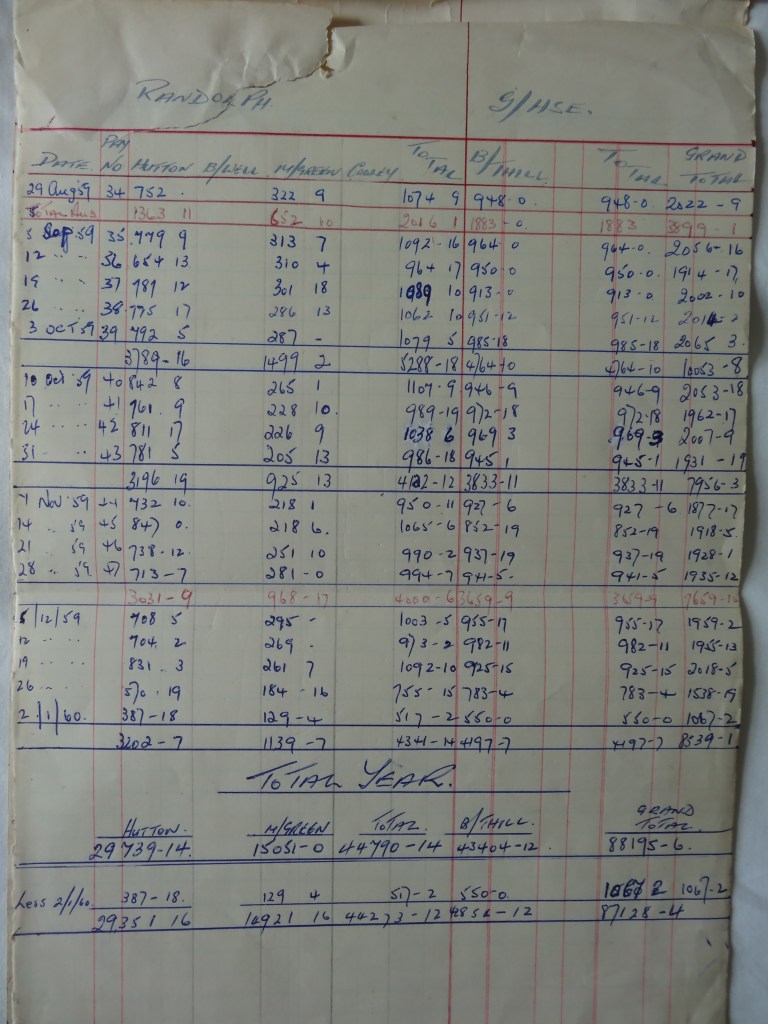
The following documents shows 2 pages from the record of drawings for Randolph & Gordon House Collieries 1959 – the last full year of production.
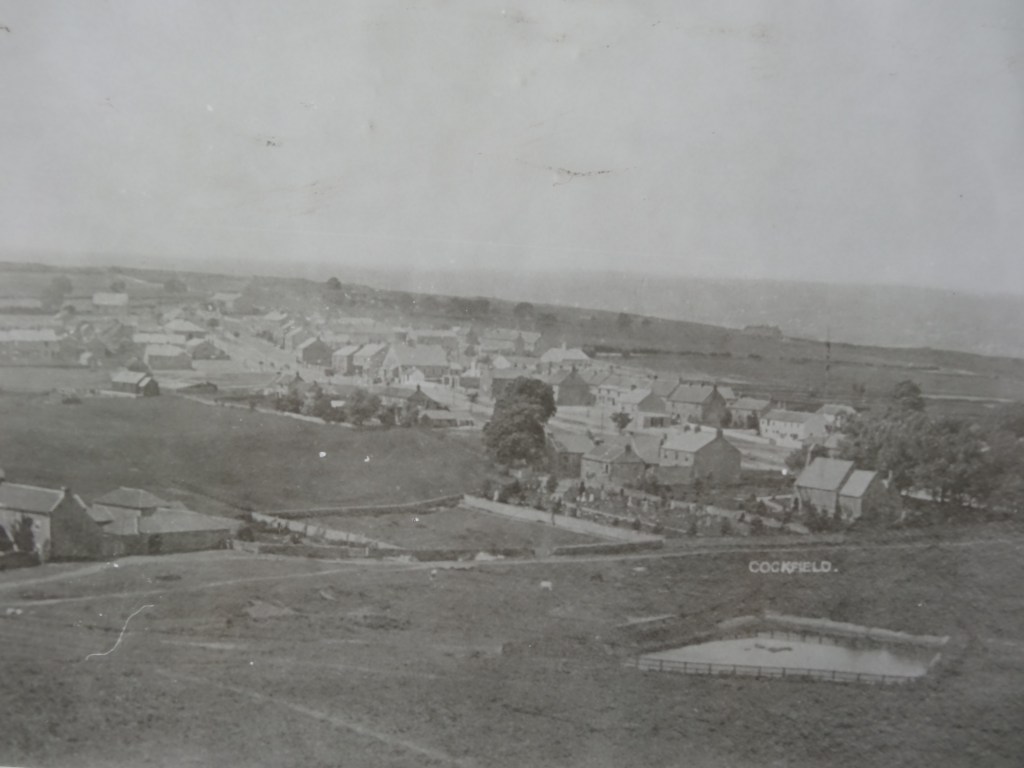
Below is a view of Gordon House Colliery, dominating the background, from the top of Cockfield.
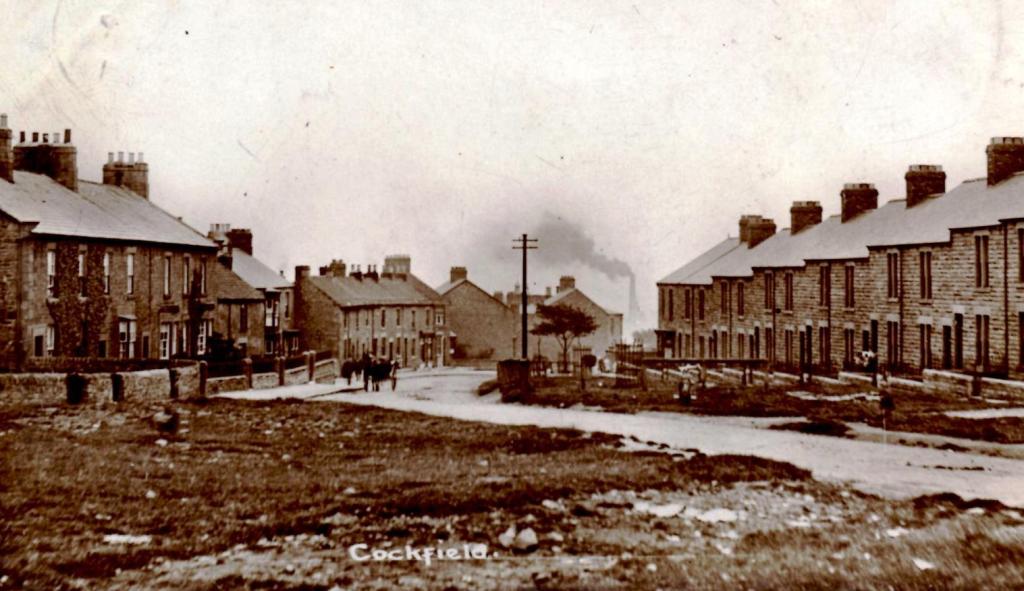
Below: A view of the bottom end of Cockfield from one of the colliery chimneys.
 EVENWOOD RAMSHAW & DISTRICT HISTORY SOCIETY